

Why Booking Direct is the Only Way to Guarantee Safe Dental Implants in Turkey (April 2026)
The global landscape of restorative dentistry has undergone a massive transformation as we enter the second quarter of 2026. For many patients in the UK and Europe, the struggle to find affordable, timely, and high-quality oral healthcare has led to a surge in international travel for complex procedures. Specifically, dental implants have become the gold standard for replacing missing teeth, offering a permanent solution that bridges the gap between aesthetics and biological function. However, as the popularity of “dental tourism” in Turkey has peaked, so has the complexity of the market.
Contents
For the discerning patient, the primary concern is no longer just “can I afford this?” but rather “how can I ensure this is safe?” In April 2026, the answer has become remarkably clear: the only way to guarantee a clinical standard of care that matches or exceeds Western expectations is to bypass the middleman. Booking direct with a clinic is no longer just a way to save a few pounds on commissions; it is a fundamental safety protocol. By communicating directly with the surgeons and clinical staff at a reputable facility like Estesie Dental, patients gain access to transparent medical histories, direct accountability, and a personalized treatment plan that no third-party agent can replicate.
This guide explores the technicalities of modern implantology, compares the realities of dental implants Turkey vs UK, and provides a roadmap for those looking to skip the NHS dentist queue without compromising on the biological integrity of their smile.
The Shifting Landscape of Restorative Dentistry: Why Direct Access Matters
The year 2026 marks a turning point in how patients consume medical services. We have moved past the era of flashy Instagram advertisements and into an era of “Clinical Transparency.” In the past, many patients fell into the trap of “package deals” offered by tourism agencies. These agencies often prioritize hotel stays and VIP transfers over the specific qualifications of the implantologist or the brand of the titanium posts being used.
The Rise of the “Medical Broker” and the Risks Involved
A medical broker is an intermediary who sells dental services on behalf of multiple clinics. While they provide convenience, they often lack the medical expertise to evaluate a patient’s suitability for dental implants. When you book through a broker, your “consultation” is often handled by a salesperson rather than a GDC-equivalent registered dentist.
The danger here is twofold. First, there is a lack of clinical continuity. If a complication arises during the osseointegration phase (the process where the bone fuses to the implant), the broker may no longer be involved, leaving the patient to navigate the medical aftermath alone. Second, the “referral fee” taken by the broker often forces the clinic to cut costs on materials or rush the procedure to maintain profit margins. By choosing to work with the best direct dental clinic in Istanbul, you ensure that every penny of your investment goes into the surgical skill and the quality of the hardware.
Identifying the Best Direct Dental Clinic in Istanbul
A direct clinic is characterized by its internal infrastructure. When you visit the Estesie Dental website, you aren’t looking at a travel agency; you are looking at a medical institution. Identifying the right clinic requires looking for several key markers:
- In-House Laboratory: Does the clinic have its own CAD/CAM technology to mill crowns and abutments? This ensures a precision fit.
- Surgical Qualifications: Are the surgeons specialists in Maxillofacial surgery or Periodontology?
- Transparent Pricing: Is there a clear breakdown of costs for things like all on 4 dental implants turkey cost, sinus lifts, or bone grafting?
- Direct Communication: Can you speak to the medical team directly via WhatsApp to discuss your X-rays and medical history?
By focusing on these institutional qualities, patients can avoid the “factory” style clinics and ensure their treatment is handled with the precision that dental implants require.
Understanding Dental Implants: More Than Just a Cosmetic Fix
To understand why the “direct” model is so vital, one must understand the complexity of the dental implant itself. This is not a simple filling or a veneer; it is a surgical prosthetic that interfaces with living bone tissue.
The Anatomy of a High-Quality Dental Implant
A standard implant system consists of three distinct parts:
- The Fixture (The Screw): Typically made of Grade 4 or Grade 5 Titanium or Zirconia. This is the part that is surgically placed into the jawbone.
- The Abutment: The connector piece that sits on top of the fixture and holds the crown.
- The Prosthesis (The Crown): The visible “tooth” part, usually made of Zirconia or E-max porcelain for maximum durability and light-refraction.
- In a direct-booking scenario, the patient can request specific brands—such as Straumann, Nobel Biocare, or Osstem. These brands have decades of peer-reviewed research backing their success rates. Brokers often use “white label” or generic implants to increase their margins, which may lack the specialized surface treatments (like SLA or SLActive) that accelerate bone healing.
Biocompatibility and Osseointegration: The Science of Success
The success of dental implants hinges on a biological phenomenon known as osseointegration. This term, coined by Professor Per-Ingvar Brånemark, describes the functional and structural connection between living bone and the surface of a load-bearing artificial implant.
In April 2026, high-end clinics in Istanbul use 3D Cone Beam Computed Tomography (CBCT) to assess bone density in Hounsfield units. If a patient lacks sufficient bone, direct clinics will recommend a “Sinus Lift” or “Bone Grafting.” An agency might overlook these requirements to keep the “package price” low, leading to implant failure six months down the line. Direct clinics have a vested interest in your long-term success because their reputation depends on clinical outcomes, not just sales volume.
Clinical Standards, Comparison, and the NHS Crisis
The decision to seek restorative dental care abroad is often born out of necessity. As we move deeper into 2026, the disparity between public healthcare availability and the high-tech efficiency of private clinics in Istanbul has never been more pronounced. To understand why dental implants in Turkey have become a global benchmark, we must look at the technical and systemic factors driving this movement.
Dental Implants Turkey vs UK: A Fair and Technical Comparison
When patients evaluate dental implants Turkey vs UK, they are often comparing two entirely different healthcare philosophies. In the United Kingdom, the dental system is split between a struggling public sector (NHS) and an increasingly expensive private sector. In contrast, the top-tier clinics in Istanbul operate on a competitive, technology-driven private model that prioritizes rapid turnaround without sacrificing the biological integrity of the procedure.
Why Patients Choose to Skip the NHS Dentist Queue
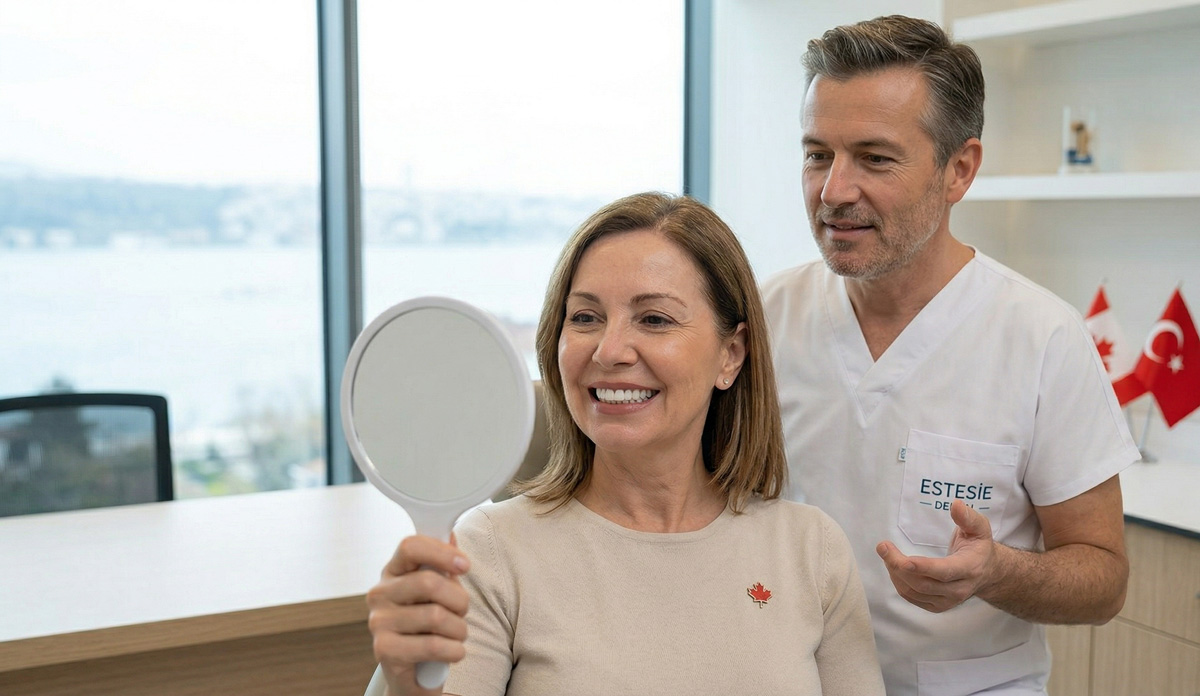
The “crisis” in British dentistry is well-documented in 2026. For many, the option to skip the NHS dentist queue is not about luxury—it is about preventing further bone loss. When a tooth is lost, the alveolar bone (the part of the jawbone that holds the teeth) begins to resorb. Waiting two to three years for a partial denture or a bridge on the NHS can lead to significant bone atrophy.
By the time an NHS patient is seen, they may no longer be a simple candidate for dental implants and may require complex bone grafting. Choosing a direct clinic in Istanbul allows for immediate intervention. Within 48 hours of an initial WhatsApp consultation, a patient can have a treatment plan, a 3D simulation of their future smile, and a scheduled surgery date.
Comparing Clinical Standards: GDC vs. Turkish Ministry of Health
A common misconception is that Turkish clinics operate with less oversight than those in the UK. This is factually incorrect for licensed “A-Class” clinics. While the UK is governed by the General Dental Council (GDC), Turkish clinics are strictly regulated by the Turkish Ministry of Health (T.C. Sağlık Bakanlığı).
Key differences in 2026 include:
- Technology Adoption: Turkish private clinics often adopt new technologies, such as robotic-guided surgery and photogrammetry, faster than UK private practices due to lower administrative hurdles and higher patient volume.
- Specialization: In Turkey, “Implantology” is often handled by a team including a Maxillofacial Surgeon (for the screw placement) and a Prosthodontist (for the crown design). In the UK, a general dentist with a weekend course in implants might perform the whole procedure.
- Materials: Leading Istanbul clinics like Estesie Dental use the exact same Swiss and German implant systems found in Harley Street, such as Straumann or Bego.
The All on 4 Dental Implants Turkey Cost: Breaking Down the Numbers
One of the most searched terms for 2026 is the all on 4 dental implants turkey cost. This procedure, which replaces an entire arch of teeth using just four strategically placed titanium posts, has revolutionized life for edentulous patients. However, “cheap” should never be the goal—”value” is the metric that matters.
Variable Factors: Materials, Technology, and Expertise
The cost of an “All on 4” or “All on 6” system is not a flat rate. Several factors influence the final quote provided on the Estesie Dental prices page:
- Implant Brand: Premium brands like Nobel Biocare (the pioneers of the All-on-4 technique) cost more but offer lifetime global warranties.
- The Temporary Bridge: A direct clinic provides a high-quality “immediate load” bridge so you don’t leave the surgery toothless.
- The Final Prosthesis: Is it a hybrid acrylic bridge (cheaper) or a full monolithic Zirconia bridge (most durable and aesthetic)? In 2026, Zirconia is the gold standard for its resistance to chipping and staining.
- Computer-Guided Templates: Using 3D printing to create a surgical guide increases the cost slightly but drastically improves safety by avoiding nerves and sinus cavities.
Comparing Costs: Estesie Dental vs. UK Private Clinics
In the UK, a single arch of All-on-4 can range from £12,000 to £18,000. In a direct Istanbul clinic, the same procedure, using the same premium materials, typically ranges from £3,500 to £6,000.
Why is it so much lower? It isn’t because the quality is lower. It is due to the Purchasing Power Parity (PPP). The cost of labor, clinical rent, and laboratory fees in Turkey is significantly lower than in London or Manchester. Furthermore, because Turkey is a global hub for dental manufacturing, shipping and customs duties on German or Swiss components are often more favorable for high-volume clinics.
The Surgical Protocol: What to Expect When You Book Direct
When you remove the agency/broker from the equation, the medical journey becomes a streamlined, professional experience. For dental implants, precision is the difference between a lifetime of use and a painful failure.
Step 1: Digital Diagnostics and 3D Bone Imaging
Your journey at a professional clinic doesn’t start in the chair; it starts in the imaging suite. Upon arrival, a CBCT scan (Cone Beam Computed Tomography) is performed. This provides a 3D view of your jaw, allowing the surgeon to:
- Measure bone width and height to within 0.1mm.
- Identify the exact location of the mandibular nerve.
- Assess the health of the maxillary sinuses.
If you book through a broker, they might give you a “guaranteed” price before seeing these scans. A direct clinic will always qualify their quote based on your unique anatomy.
Step 2: The Implantation Phase and Immediate Loading
The surgery itself is usually performed under local anesthesia, though many Istanbul clinics now offer conscious sedation for anxious patients. The titanium screw is inserted into the bone. If the “torque” (the tightness of the screw in the bone) is high enough, an “immediate load” temporary crown or bridge is attached. This is the “teeth in a day” concept that has become so popular.
Step 3: The Healing Period and Permanent Restoration
Safety dictates that you cannot rush biology. Osseointegration typically takes 3 to 6 months. During this time, the bone grows into the microscopic pores of the dental implants.
A direct clinic will schedule a follow-up visit where the temporary teeth are replaced with the final, permanent Zirconia or E-max restoration. This two-stage process is the only way to “guarantee” a safe outcome. Clinics that promise a permanent, heavy bridge on day one are often ignoring the biological risks of “micro-movements” that can cause the implant to fail.
Risks, Safety, and Patient Selection: Who is a Candidate?
It is a clinical reality that not every individual is an immediate candidate for dental implants. The procedure requires a foundation of healthy bone, healthy gum tissue, and a robust immune response. A responsible, direct-booking clinic will prioritize patient safety over a quick sale, often requiring preliminary treatments or, in some cases, advising against the surgery entirely if the biological risks outweigh the benefits.
Pre-existing Conditions: Smoking, Diabetes, and Bone Density
The consultation phase must deeply investigate systemic health conditions that affect angiogenesis (the formation of new blood vessels) and osteogenesis (the formation of new bone).
- Smoking and Nicotine Usage: Smoking is one of the most significant contraindications for implant surgery. Nicotine is a potent vasoconstrictor, meaning it shrinks the blood vessels in the gums and jawbone. This drastically reduces the blood supply to the surgical site, starving the area of the oxygen and nutrients necessary for osseointegration. Furthermore, the heat and toxins from inhaled smoke increase the risk of an infection called peri-implantitis. A reputable clinic will require patients to cease smoking several weeks before and after the placement of dental implants.
- Diabetes Mellitus: Patients with Type 1 or Type 2 diabetes can successfully receive dental implants, but their blood sugar levels must be strictly controlled. Uncontrolled diabetes (typically indicated by an HbA1c level above 7.5% or 8%) impairs the body’s white blood cells, increasing susceptibility to severe infections and dramatically slowing the healing process. Direct communication with your surgeon allows for the careful timing of the surgery in conjunction with your endocrinologist’s advice.
- Osteoporosis and Bone Density: Medications used to treat osteoporosis, particularly intravenous bisphosphonates, carry a rare but serious risk of Medication-Related Osteonecrosis of the Jaw (MRONJ) following dental surgery. Your surgeon must know exactly what medications you are taking. Brokers often fail to pass this critical pharmacological data to the clinic, putting the patient at immense risk.
The Importance of Post-Operative Care and Local Follow-ups
The surgery is only the first half of the journey; the second half is healing and maintenance. High-quality dental implants can last a lifetime, but the biological tissues surrounding them are still susceptible to disease. Plaque accumulation can lead to peri-implant mucositis (inflammation of the gums) and, if left untreated, peri-implantitis (bone loss around the implant).
When you book direct, you receive a highly detailed, medically accurate post-operative protocol. This includes instructions on modified diets, specific chlorhexidine mouthwashes to use, and guidance on using water flossers and interdental brushes once the final crowns are fitted. Furthermore, patients with a history of bruxism (teeth grinding) will be fitted with a custom occlusal splint (night guard) to prevent mechanical overload on the new implants. You are not simply sent back to your home country and forgotten; a direct clinic establishes a long-term medical relationship with you.
Navigating the Complexities of Bone Augmentation: When is a Graft Necessary?
A major reason why patients seek to skip the NHS dentist queue is the lack of funding and availability for complex pre-implant surgeries, such as bone grafting. If you have been missing teeth for years, or if you suffered from severe periodontal disease, your jawbone has likely resorbed. To safely place dental implants, there must be a minimum volume of bone to encapsulate the titanium post.
If a broker promises you a fixed price without assessing your 3D CBCT scan, they are operating unethically. You cannot know if a bone graft is needed until the scan is evaluated by a professional.
Sinus Lifts (Maxillary Sinus Floor Elevation)
When replacing teeth in the upper back jaw (the posterior maxilla), the maxillary sinuses often sit too close to the jawbone ridge. If an implant were placed here without preparation, it could puncture the sinus membrane, leading to chronic sinusitis or implant failure.
To safely utilize this space, a maxillofacial surgeon performs a “sinus lift.” This involves gently lifting the delicate Schneiderian membrane and packing the newly created space with bone graft material.
- Crestal Approach: Used when only a small amount of lift (1-3mm) is needed. It is less invasive and done through the same hole prepared for the implant.
- Lateral Window Approach: Used when a significant amount of bone is required. A small window is created in the side of the jawbone to access the sinus.
These are highly delicate surgical procedures that demand the utmost precision and a sterile, hospital-grade environment—standards that are guaranteed when dealing directly with top-tier clinics.
Guided Bone Regeneration (GBR)
For defects in the width or height of the lower jaw, Guided Bone Regeneration (GBR) is employed. The surgeon places a bone graft material—which can be a xenograft (bovine origin), an allograft (human donor), or an alloplast (synthetic)—into the deficient area. This is then covered with a special resorbable collagen membrane that acts as a barrier, preventing fast-growing gum tissue from invading the space where the slower-growing bone needs to form.
This meticulous biological engineering is why comparing dental implants Turkey vs UK based solely on initial price is flawed; you must compare the comprehensive surgical capability of the providers.
The Biomechanics of Abutments and Crowns: Titanium vs. Zirconia
Once the biological foundation is secure and the dental implants have successfully fused with the jaw, the focus shifts to biomechanics and aesthetics. The connection between the titanium root and the visible tooth is governed by the abutment and the crown.
In the realm of direct booking, you have a say in the materials used for your restoration. Brokers often default to the cheapest metal-ceramic (PFM – Porcelain Fused to Metal) crowns to maximize their profit. While functional, PFM crowns can leave a dark grey line at the gum margin over time and lack the natural translucency of real teeth.
By dealing directly with a high-tech clinic featuring an in-house laboratory, you have access to advanced restorative materials:
- Zirconia Crowns: Zirconia (Zirconium Dioxide) is a white, extremely hard ceramic. It offers immense fracture toughness, making it ideal for the high-pressure environment of the posterior (back) teeth, as well as an aesthetic brilliance suitable for the anterior (front) teeth. Monolithic zirconia is milled from a single block using CAD/CAM (Computer-Aided Design and Computer-Aided Manufacturing) technology, ensuring a micron-perfect fit against the implant abutment.
- E-Max (Lithium Disilicate): For ultimate aesthetic demands, particularly single front teeth, E-max offers unparalleled translucency that mimics the light-scattering properties of natural dental enamel perfectly.
- Custom CAD/CAM Abutments: Instead of using “stock” abutments that come out of a box, premium direct clinics will design and mill custom abutments. These are shaped specifically to support your unique gum architecture, preventing food impaction and making daily cleaning significantly easier.
The integration of these advanced materials ensures that your dental implants do not just function like real teeth; they look and feel indistinguishable from a natural, healthy smile.
The “Turkey Teeth” Phenomenon vs. Legitimate Implantology
As you research restorative dentistry overseas, you will inevitably encounter the term “Turkey Teeth” in British and European media. It is crucial to dissect this internet phenomenon and separate sensationalized social media trends from the rigorous, evidence-based science of dental implants. Understanding this distinction highlights exactly why identifying the best direct dental clinic in Istanbul is the ultimate safeguard for your oral health.
Demystifying the Media Narrative
In pop culture, the term “Turkey Teeth” has become synonymous with an aggressive, purely cosmetic procedure where a patient’s natural, healthy teeth are heavily filed down into small pegs to fit stark-white crowns or veneers. This is a profound misrepresentation of what specialized implantology and responsible prosthodontics actually entail.
Legitimate medical clinics strictly adhere to the principle of “minimally invasive dentistry.” A highly qualified maxillofacial surgeon or prosthodontist will never recommend extracting or aggressively shaving down healthy, restorable teeth simply to achieve a cosmetic outcome. The goal of genuine restorative dentistry is to preserve as much natural biological tissue as possible.
Why the Broker Model Encourages Overtreatment
The dangerous trend of overtreatment is frequently driven by the third-party broker model. Because these agencies operate on commission, they are incentivized to sell the most expensive “smile makeover” packages possible, which often translates to crowning a full arch of 20 to 24 teeth, regardless of the patient’s actual clinical needs.
When you bypass these agencies and communicate directly with a medical facility, the financial incentives shift. A direct clinic’s primary concern is clinical viability and long-term reputation. If you only need two dental implants to replace missing molars and some minor composite bonding on your front teeth, a responsible, direct-booking clinic will only quote you for that specific, medically necessary treatment. They will not attempt to up-sell you into a full-mouth crown preparation because they are bound by medical ethics, not sales quotas.
Full Mouth Rehabilitation: The Mechanics of All-on-4 and All-on-6
For patients who are fully edentulous (missing all their teeth) or those whose remaining teeth are failing due to severe periodontal disease, single-tooth replacement is not clinically or financially viable. This is where advanced full-arch protocols come into play. These procedures are complex, highly technical, and represent the absolute pinnacle of what modern dental implants can achieve.
The Engineering Behind the All-on-4 Protocol
The All-on-4 treatment concept is a revolutionary surgical protocol developed to maximize the use of available bone. Instead of placing an implant for every single missing tooth (which would require massive bone grafting and tremendous surgical trauma), the surgeon places just four specialized titanium posts per jaw.
- Anterior Implants: Two implants are placed vertically in the front of the jaw, where bone density is typically highest.
- Posterior Implants: Two implants are placed in the back of the jaw, but they are tilted at a precise 30- to 45-degree angle.
This precise angulation is an engineering marvel. By tilting the posterior implants, the surgeon can completely avoid vital anatomical structures—such as the mandibular nerve canal in the lower jaw and the maxillary sinuses in the upper jaw. Furthermore, this angled placement increases the anterior-posterior spread, providing a wider, more stable foundation for the final prosthetic bridge. It also often eliminates the need for complex, time-consuming sinus lifts or bone grafting, making the procedure safer, faster, and significantly more comfortable for the patient.
When is All-on-6 the Better Choice?
While All-on-4 is exceptional, it is not a universal solution. Patients who possess adequate bone volume, or those who exert extreme bite forces (such as individuals with a strong, muscular jaw profile or a history of severe bruxism), may be better suited for the All-on-6 protocol.
Adding two additional dental implants provides superior load distribution across the jawbone. If an All-on-4 system is a four-legged table, an All-on-6 is a six-legged table; it simply handles heavy, vertical occlusal forces with greater ease. During your initial consultation at a direct clinic, your surgical team will analyze your 3D CBCT scans to scientifically determine which biomechanical framework will offer the highest probability of lifelong success for your unique anatomy. This highly individualized treatment planning is exactly why the rigid, pre-packaged deals offered by medical tourism agencies are fundamentally flawed.
Digital Dentistry: The CAD/CAM Revolution in Direct Clinics
The disparity in quality between a standard travel-agency clinic and a top-tier direct clinic often comes down to their investment in digital infrastructure. The era of traditional, messy putty impressions and analog plaster models is rapidly coming to an end. In April 2026, the best direct dental clinic in Istanbul operates within a fully digital, end-to-end workflow.
Intraoral Scanning and 3D Modeling
The process begins with an intraoral scanner, such as the 3Shape TRIOS or Medit i700. This highly advanced wand captures thousands of microscopic pictures per second, instantly stitching them together to create a flawless, full-color 3D model of your mouth on a computer screen.
This digital impression is significantly more accurate than traditional alginate or silicone impressions, which are prone to shrinking, tearing, or expanding due to temperature changes during transit to a laboratory. For dental implants, a discrepancy of just 50 microns can lead to a crown that doesn’t fit properly, creating microscopic gaps where destructive bacteria can breed. Intraoral scanning eliminates this variable entirely.
In-House Milling and Quality Control
Once the digital impression is captured, the data is sent directly to the clinic’s in-house laboratory. Here, master ceramicists and dental technicians use advanced CAD (Computer-Aided Design) software to meticulously design your new smile. They analyze your facial symmetry, lip lines, and the golden proportion of your teeth to ensure the final outcome is aesthetically perfect and functionally sound.
The design file is then sent to a high-precision 5-axis CAM (Computer-Aided Manufacturing) milling machine. These machines carve your custom crowns or full-arch bridges out of solid blocks of ultra-tough Zirconia or highly aesthetic E-max lithium disilicate. Because everything is handled under one roof, the clinical team maintains absolute quality control. If a minor adjustment is needed during the fitting stage, the technician can make the change immediately on-site, saving you days of waiting and ensuring a completely stress-free experience before you return to your home country.
The Lifespan of Dental Implants: Protecting Your Medical Investment
When patients research dental implants, one of the most common questions revolves around longevity. It is a well-established clinical fact that the titanium fixtures themselves are designed to be permanent. Once osseointegration is successfully achieved, the titanium essentially becomes a part of your skeletal structure. However, the permanence of the fixture does not automatically guarantee the permanent health of the surrounding biological environment or the durability of the attached prosthetic crown.
This is another area where the direct-to-clinic model drastically outperforms the medical tourism agency approach. A broker considers their job finished the moment you board your flight home. The best direct dental clinic in Istanbul, however, views your departure as the beginning of the maintenance phase.
The Threat of Peri-Implant Disease
The soft tissues (gums) and hard tissues (bone) that surround dental implants remain susceptible to bacterial infection. Plaque biofilm can accumulate on the surface of the ceramic crown and along the gumline, just as it does on natural teeth.
If this plaque is not effectively removed through diligent daily hygiene, it induces an inflammatory response.
- Peri-implant Mucositis: This is the early stage of inflammation, confined to the soft gum tissue surrounding the implant. It is characterized by redness, swelling, and bleeding upon probing or brushing. Crucially, peri-implant mucositis is completely reversible with professional cleaning and improved home care.
- Peri-implantitis: If mucositis is left untreated, the inflammation aggressively advances deeper into the tissues, beginning to destroy the alveolar bone that anchors the implant. This condition, known as peri-implantitis, is often painless in its early stages but can rapidly lead to the loosening and eventual catastrophic failure of the implant.
Direct clinics mitigate this risk by providing exhaustive, highly specific post-operative hygiene protocols. They educate patients on the necessity of specialized tools, such as water flossers, interdental brushes, and super-floss, ensuring the patient is fully equipped to maintain their new smile.
The Role of Occlusal Guards in Preventing Mechanical Failure
Beyond biological threats, dental implants face mechanical challenges. While modern Zirconia crowns are incredibly strong, they lack the periodontal ligament that cushions natural teeth. This ligament acts as a shock absorber. Because implants are rigidly fused to the bone, any excessive biting force is transferred directly to the fixture and the surrounding bone architecture.
Patients who suffer from bruxism (unconscious clenching or grinding of the teeth, often during sleep) exert tremendous destructive forces on their restorative work. A direct medical clinic will identify signs of bruxism during the initial consultation. Before you leave, they will digitally scan your new bite and manufacture a custom-fitted acrylic night guard (occlusal splint). Wearing this appliance nightly is a mandatory safety protocol to protect the porcelain from chipping and to prevent the titanium screw from experiencing micro-fractures under sheer stress.
Preparing for Your Dental Trip: The Direct Booking Blueprint
If you have decided to skip the NHS dentist queue and take control of your oral health, executing the trip correctly is paramount. By cutting out the middleman, you take on the responsibility of direct communication, but you gain unparalleled transparency and clinical control.
Initial Contact and Virtual Assessment
The journey begins from the comfort of your own home. Reputable institutions like Estesie Dental offer secure, direct channels for preliminary assessment.
The most efficient way to start is by sending a recent Panoramic X-ray (OPG) or a 3D CBCT scan (if you have obtained one locally) directly to the clinic. If you do not have current X-rays, high-resolution, well-lit photographs of your teeth and gums can allow the prosthodontist to provide a provisional assessment. During this initial communication, you will discuss your medical history, any medications you are taking, and your specific functional and aesthetic goals. This direct line of communication ensures that the clinical team has a comprehensive understanding of your case before you ever step foot on an airplane.
Transparent Financial Planning
One of the most profound benefits of the direct booking model is absolute financial clarity. When you review the all on 4 dental implants turkey cost, you should expect a comprehensive, itemized treatment plan.
A responsible direct clinic will provide a quote that breaks down the cost of the surgical extractions, the titanium posts, the healing abutments, the temporary prostheses, and the final permanent crowns. They will also outline potential contingency costs, such as the need for localized bone grafting, which can only be definitively confirmed once your in-person 3D scan is analyzed. There are no hidden “agency fees” or unexpected surcharges.
FAQ: Navigating the Complexities of Overseas Dental Care
As the landscape of international dentistry evolves in 2026, patients must arm themselves with factual, unbiased information. Below are the definitive answers to the most critical questions regarding restorative dentistry in Turkey.
Q1: How to find a safe dentist in Turkey? A: To guarantee safety, entirely bypass travel agencies, holiday companies, and third-party brokers. Seek out direct clinics registered with the Turkish Ministry of Health. Look for facilities that utilize fully digital workflows (in-house CAD/CAM milling, 3D CBCT scanners) and employ specialist maxillofacial surgeons rather than just general dentists. Verify their credentials, ask about the specific implant brands they use (e.g., Straumann, Nobel Biocare), and ensure you are speaking directly to clinical staff during your consultation.
Q2: Do UK dentists fix Turkey teeth? A: This is a complex medico-legal issue. Under the guidelines of the General Dental Council (GDC), UK dentists have a duty of care to provide emergency treatment (such as prescribing antibiotics for an acute infection or providing pain relief). However, many UK dentists are hesitant to perform complex revisions or maintenance on dental implants placed abroad because taking on the restorative work legally makes them partially responsible for the previous surgeon’s work. This underscores exactly why booking with a highly reputable, direct clinic that offers a transparent guarantee and long-term follow-up communication is an absolute necessity.
Q3: How long do Turkey teeth last? A: The lifespan depends entirely on the biological procedure performed and the patient’s hygiene. Genuine dental implants placed by a specialist into healthy, integrated bone can last a lifetime (20 to 30+ years). The restorative crowns (Zirconia or E-max) attached to them typically last 10 to 15 years before natural wear and tear may necessitate replacement. However, if the term “Turkey Teeth” refers to aggressive, medically unnecessary filing down of natural teeth for cheap crowns, the lifespan is drastically reduced, often failing within 5 to 7 years due to nerve death or secondary decay.
Q4: Are Turkey teeth a good idea? A: Seeking restorative dental care in Turkey is an excellent, life-changing idea if executed clinically and responsibly. If you require complex interventions like full-arch restorations, bone grafting, or multiple dental implants, top-tier direct clinics in Istanbul offer world-class expertise, cutting-edge technology, and premium materials. It is a terrible idea if pursued as a cheap, cosmetic “quick fix” through an unregulated tourism broker that ignores biological safety protocols.
Q5: Why is dental work so cheap in Turkey? A: The cost difference when comparing dental implants Turkey vs UK is not due to inferior materials or sub-standard surgical skill. It is strictly a macroeconomic phenomenon driven by Purchasing Power Parity (PPP). The cost of clinical real estate, laboratory technician wages, administrative staff salaries, and domestic operational taxes are substantially lower in Turkey than in Western Europe or the United States. When you deal directly with the clinic, these massive overhead savings are passed directly to the patient.
Q6: Does getting dental implants hurt? A: The surgical placement of an implant is a highly precise, controlled procedure. It is performed under profound local anesthesia, meaning the patient feels vibration and pressure, but absolutely no sharp pain. Post-operative discomfort typically peaks 48 hours after surgery and is generally well-managed with standard over-the-counter anti-inflammatory medications (like Ibuprofen) and rest. Many patients report that having an implant placed is actually less traumatic than having a tooth extracted.
Q7: Can I get dental implants if I have severe bone loss? A: Yes, but it requires advanced surgical intervention. You cannot simply place a titanium screw into empty space. You will require bone augmentation procedures, such as a sinus lift (for the upper jaw) or guided bone regeneration (for the lower jaw), prior to or simultaneously with the implant placement. This requires the expertise of a highly skilled maxillofacial surgeon found at the best direct dental clinic in Istanbul.
Q8: How long do I need to stay in Istanbul for the procedure? A: A standard implant procedure requires two separate visits. The first visit (surgical phase) requires a stay of approximately 3 to 5 days to place the titanium fixtures and allow for initial post-operative checks. You must then return home for 3 to 6 months to allow for osseointegration. The second visit (restorative phase), where the permanent crowns are designed, milled, and fitted, typically requires a stay of 7 to 10 days.
Conclusion: Making an Informed Choice for Your Oral Health
As we navigate the realities of healthcare in 2026, the traditional pathways to achieving a functional, healthy smile are no longer the only—or even the best—options. The severe backlogs in public health systems and the prohibitive costs of private domestic care have made international dentistry a necessity for thousands of patients.
However, the international market is polarized. On one side are the aggressive marketing tactics of medical brokers pushing pre-packaged, generalized treatments. On the other side is the clinical excellence of specialized, direct-access institutions.
By taking the time to research and understand the biomechanics of dental implants, the critical importance of digital dentistry, and the biological necessity of proper surgical planning, you protect yourself from the pitfalls of dental tourism. When you evaluate the realities of dental implants Turkey vs UK, it becomes evident that skipping the broker is the single most important decision you can make.
Booking directly with a dedicated medical facility ensures that your treatment is dictated by science, not sales margins. It guarantees that the materials used are globally recognized, the surgical environment is pristine, and the clinical team is directly accountable for your long-term success. Your oral health is intrinsically linked to your systemic health, your confidence, and your quality of life; it is an investment that demands the utmost clinical respect.
Your Next Step Towards a Restored Smile
You do not need to navigate complex dental decisions alone, and you certainly do not need to wait years for professional intervention. If you are experiencing pain, struggling with missing teeth, or have been told you require extensive restorative work, expert clinical advice is readily available without the interference of a middleman.
Take control of your treatment plan by connecting directly with the specialized medical team at Estesie Dental. By sharing your X-rays or discussing your symptoms, you can receive a transparent, medically sound evaluation tailored entirely to your unique anatomy.
Are you ready to explore your options safely and directly? You can reach out immediately for an urgent review or even arrange a video consultation with the clinical team by using this direct line: Start your direct WhatsApp consultation with Estesie Dental’s specialists today.