



Straumann implants cost Turkey vs UK: Evidence, Mechanisms, and Clinical Implications (MAR 2026)
Abstract
This article provides a rigorous, evidence-based analysis of Straumann implants cost Turkey vs UK, integrating comparative health-economic considerations with contemporary implant biology, materials science, outcome measurement and risk management.
Contents
We synthesise UK university-authored and UK-affiliated literature to delineate the drivers of price differentials, examine the mechanistic rationale for Straumann’s surface and alloy technologies, appraise diagnostic validity and clinical effectiveness metrics, and set out patient-centred best practice for cross-border care.
While headline cost savings for treatment in Türkiye are frequently advertised, true value depends on case complexity, surgical protocol, maintenance needs, complication risk and continuity of care. We conclude with pragmatic guidance for patients and providers, a structured FAQ derived from live UK search queries, and priorities for future research on long-term outcomes and real-world cost-utility.
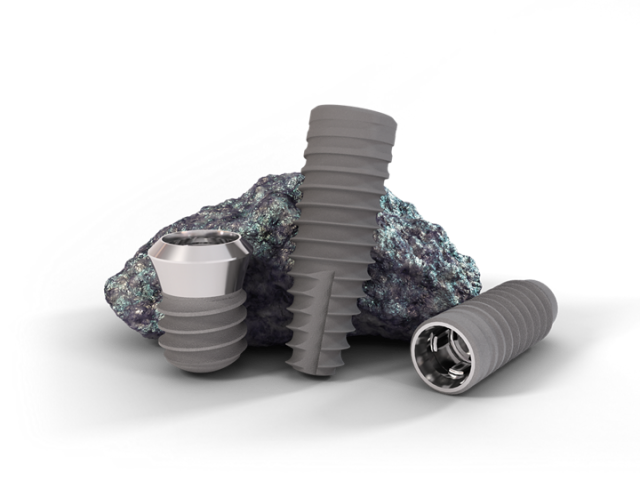
Definition and Scope of Straumann implants cost Turkey vs UK
Formal definition and scope. In this article, “Straumann implants cost Turkey vs UK” denotes the comparative, episode-of-care price and value of treatment using Straumann endosseous dental implants (including implant fixture, abutment and definitive restoration), when delivered in Türkiye versus the United Kingdom, inclusive of pre-operative diagnostics, surgical and prosthodontic phases, and early maintenance within the first year [14–16]. Where possible, we differentiate headline prices (implant placement and standard crown) from comprehensive costs (e.g., bone augmentation, sinus lift, provisionalisation, occlusal guard, unplanned reviews) [14,16,18].
Historical and brand context. Straumann’s portfolio (e.g., SLA/SLActive surfaces and Roxolid Ti-Zr alloy) is widely investigated in the academic literature for enhancing early stability and reducing time-to-load via accelerated osseointegration kinetics [1–3]. The market premium reflects R&D, traceability, and component fit tolerances, which influence biomechanical behaviour and long-term biocompatibility [1–3,8].
Taxonomy of costs. For robust comparison of Straumann implants cost Turkey vs UK, costs are grouped into: (i) diagnostics (CBCT, scans), (ii) surgical (fixture, augmentation, regenerative materials), (iii) prosthodontic (abutment, crown/framework), (iv) peri-operative care (analgesia, anaesthesia), (v) aftercare/maintenance, and (vi) travel/opportunity costs where applicable [14–18].
Royal College of Surgeons
Epidemiology and Public Health Context in the UK
Population need and service configuration. In England’s Adult Oral Health Survey 2021, 95% of adults were dentate, with average 25.4 teeth; nonetheless, tooth loss persists and prosthetic need remains significant, particularly in older or deprived cohorts [18]. National surveillance shows inequities in oral health outcomes by deprivation; this has implications for demand for fixed implant rehabilitation and perceived value versus removable options [18,19]. Within the NHS, implant provision is exceptional—primarily for complex reconstructive indications (e.g., oncological or traumatic loss)—and most implant treatment remains privately funded [14,17].
Guy’s & St Thomas’ NHS
Why cost differentials matter. Financial barriers motivate some UK patients to consider cross-border care; professional bodies caution that apparent savings must be balanced against risks and potential downstream NHS burden if complications occur [16]. Royal Colleges and the GDC provide explicit advice for those considering care abroad, emphasising continuity and jurisdictional redress [15–16].
General Dental Council
Biological Mechanisms and Pathophysiology
Osseointegration and surfaces. Implant success hinges on controlled inflammation and bone remodelling at the biomaterial interface, culminating in stable osseointegration [2,3]. SLActive—an enhanced, more hydrophilic surface compared with SLA—has been associated with improved early implant stability quotient (ISQ) and potential for reduced healing intervals in certain protocols [1–3]. Early stability contributes to predictable immediate/early loading strategies under carefully selected conditions [3].
repository.cam.ac.uk
Alloy composition and biomechanics. Straumann’s Roxolid (Ti-Zr) alloy targets higher tensile strength than commercially pure Ti to enable narrower implants without compromising fatigue resistance, potentially reducing augmentation in constrained ridges (case-dependent) [2,8]. Primary stability is influenced by macro-geometry (taper, thread), bone density, and surgical technique [8].
University of Bristol
Peri-implant tissue biology and biofilm. The soft-tissue seal and host response modulate susceptibility to peri-implantitis, a biofilm-mediated condition linked to marginal bone loss (MBL) and potential implant failure. Contemporary S3-level guidance synthesises risk factors (e.g., periodontitis history, smoking, poor plaque control) and underscores stringent maintenance [11–12]. Experimental and translational work continues on antibiofilm strategies and surface modifications [6].
Queen’s University Belfast
Experimental models. UK groups have advanced in-vivo models (e.g., rabbit maxilla extraction-socket) to evaluate osseointegration of novel designs and coatings under oral conditions, improving translational validity [13].
eprints.gla.ac.uk
Diagnostic Criteria, Measurement, and Validity
Clinical metrics. Key outcome domains include implant survival, success (e.g., absence of mobility, pain, suppuration), MBL (mm/year), peri-implant probing parameters, and patient-reported outcomes (PROMs: pain, function, aesthetics, satisfaction) [5–7]. Stability assessment uses ISQ (resonance frequency analysis) and insertion torque as proxies for primary/secondary stability [1,8].
research.manchester.ac.uk
Validity considerations. The timing of placement/loading (immediate, early, delayed) affects outcome interpretation and “like-for-like” comparison—especially in economic evaluations—necessitating stratification by protocol [3]. Robust comparisons of Straumann implants cost Turkey vs UK should therefore specify the timing protocol and augmentation status [3].
discovery.ucl.ac.uk
Table 1. Core outcome metrics and their clinical interpretation
| Metric | Typical threshold/definition | Clinical implication |
|---|---|---|
| Implant survival | Fixture in situ at recall | Crude longevity; lacks granularity on complications [12] |
| Success | In situ, no mobility/pain, healthy soft tissue, MBL within limits | Composite indicator of function and biology [11–12] |
| MBL | <~0.2–0.3 mm/year after first year (contextual) | Excess MBL prompts risk reassessment [12] |
| PROMs | Validated questionnaires (comfort, aesthetics, QoL) | Captures patient-centred value beyond survival [5–7] |
Interpretation: Outcome appraisal should integrate biological, technical and patient-centred dimensions; survival alone can overestimate true success. [5–7,11–12]
Interventions and Clinical Best Practices
Case selection and planning. UK guidance prioritises stringent selection, comprehensive consent and realistic expectation-setting; CBCT-based planning, staged augmentation and provisionalisation are indicated by defect morphology and aesthetic risk [16]. In partially edentulous anterior sites, soft-tissue augmentation can improve mucosal stability and mid-facial level [6].
Royal College of Surgeons
Timing and loading. Consensus summaries led by UK academics highlight that immediate/early protocols can perform predictably in carefully selected single-tooth cases with adequate primary stability and occlusal control; otherwise delayed protocols mitigate risk [3].
discovery.ucl.ac.uk
Maintenance. Structured, personalised maintenance (biofilm control, risk-factor modification, peri-implant monitoring) is integral to long-term success and cost-effectiveness; NHS services emphasise patient responsibility for ongoing maintenance where implants are placed [17].
Guy’s & St Thomas’ NHS
Alternatives for selected cases. In low-risk, strategically favourable scenarios, adhesive options (e.g., resin-bonded bridges) may offer tooth-preserving, lower-cost solutions, with potential to defer implants until risk is optimised [9].
King’s College London
Table 2. Intervention comparison (illustrative, single-tooth anterior)
| Option | Pros | Cons |
|---|---|---|
| Straumann single implant + crown | Bone preservation; independent support; high satisfaction [5–7] | Surgical risks; cost; maintenance burden; risk of MBL/peri-implant disease [11–12] |
| Resin-bonded bridge | Tooth-preserving; no surgery; lower upfront cost [9] | Survival dependent on abutment enamel/occlusion; aesthetics/spacing constraints |
| Removable partial denture | Lowest upfront cost; reversible | Functional/aesthetic compromises; long-term alveolar resorption |
Interpretation: Cost-effectiveness is patient-specific; short-term savings may not reflect lifetime value.
Materials, Devices, and Technologies Related to Straumann implants cost Turkey vs UK
Surface technologies and alloy selection. Evidence from UK-affiliated studies supports that hydrophilic SLActive surfaces can accelerate early bone apposition and raise ISQ at early time points vs SLA, potentially enabling shorter treatment timelines in specific protocols [1–3]. Roxolid’s strength permits narrower diameters in selected ridges, which may avert augmentation and influence total cost episodes in both settings [2,8].
repository.cam.ac.uk
Digital workflows and CAD/CAM. Digitally guided surgery and CAD/CAM frameworks may reduce chair-time and remakes; however, capital costs and training differ markedly between providers and jurisdictions, contributing to observed differences in Straumann implants cost Turkey vs UK [8].
University of Bristol
Regulatory notes (UK). While Straumann components are CE/UKCA marked, service quality is governed by provider competence, training pathways and governance standards. In the UK, implants are overwhelmingly private; specialist training and governance frameworks (e.g., Royal Colleges, GDC standards) shape quality expectations and medico-legal recourse [15–16].
General Dental Council+1
Price comparisons (illustrative). Publicly advertised UK private fees commonly list single-tooth implant packages (surgery + crown) from ~£2,500–£3,140+, excluding augmentation [20–21]. Turkish clinic pages frequently advertise Straumann-brand placements from ~€500–€800 (£430–£690) per fixture (exclusions vary), with full packages higher depending on abutment, crown type and grafting [22–23]. These ranges are illustrative only and not directly comparable without specifying protocols, materials, and inclusion lists.
dentatur.com+3manchesterdental.co.uk+3City Centre Dental & Implant Clinic+3
Table 3. Mechanisms vs. potential clinical and economic implications
| Feature | Mechanistic rationale | Possible implication for cost/value |
|---|---|---|
| SLActive hydrophilicity | Faster protein adsorption and early bone contact | May support shortened protocols in select cases; fewer visits [1–3] |
| Roxolid (Ti-Zr) | Higher strength vs CP-Ti | Enables narrower diameters; may reduce augmentation in specific anatomies [2,8] |
| Digital guided surgery | Accuracy; prosthetic planning | Potential efficiency; equipment/training costs vary by setting |
| Soft-tissue grafting | Volume/biotype optimisation | Higher upfront cost; improved aesthetic stability can reduce revisions [6] |
Interpretation: Device-level innovations can modulate both biological risk and episode-of-care cost; value depends on case mix and follow-up infrastructure.
Outcomes, Complications, and Risk Management
Survival vs success. High survival rates can mask biological or technical complications (e.g., MBL, screw loosening, chipping). UK-affiliated consensus and reviews emphasise nuanced definitions and the importance of success criteria beyond mere survival [11–12].
Queen’s University Belfast+1
Risk factors and prevention. Periodontitis history, smoking, uncontrolled diabetes, poor plaque control, and inadequate maintenance heighten risk for peri-implant disease [11–12]. Maintenance recalls calibrated to risk, adjunctive hygiene strategies, and early management of mucosal inflammation are critical.
Queen’s University Belfast+1
Cost of complications. Unplanned interventions—particularly when care is split across jurisdictions—can erode any initial savings and complicate medico-legal redress; UK guidance advises patients to scrutinise aftercare and warranty terms before treatment abroad [15–16].
General Dental Council+1
Patient-Centred Care at Estesiedental

Evidence-based protocols. Estesiedental follows consensus-aligned planning and consent, providing transparent inclusion lists (diagnostics, components by brand/lot, surgical consumables, provisionalisation, definitive restoration) and written maintenance plans (risk-graded recalls, home care). PROMs (comfort, function, aesthetics) are gathered to complement clinical metrics [5–7].
research.manchester.ac.uk
Continuity and collaboration. For international patients, we coordinate with UK dentists for shared maintenance and contingency planning, documenting implant system, torque values, and component spec to facilitate future care. This approach mitigates the typical fragmentation risk cited by UK regulators and professional bodies [15–16].
General Dental Council
FAQs About Straumann implants cost Turkey vs UK – Answered by Estesiedental
Below are concise, patient-centred answers to common UK search queries and page-one FAQs regarding Straumann implants cost Turkey vs UK. Figures are illustrative and vary by case complexity and inclusion lists.
1) How much do Straumann implants typically cost in the UK vs Türkiye?
In UK private clinics, single-tooth implant plus crown frequently lists from ~£2,500–£3,100+ excluding augmentation. In Türkiye, clinic pages often advertise Straumann placement from roughly €200–€600 per fixture; full packages (including abutment/crown) are higher and vary widely. True episode-of-care cost depends on diagnostics, need for grafting, number of visits, and aftercare. Always obtain written, like-for-like quotes itemising each component. [20–23]
2) Why is the price difference between the UK and Türkiye so large?
Drivers include labour and facility overheads, currency differentials, and bundled tourism pricing. However, quality depends on clinician training, case selection, and governance—variables not captured by headline price alone. UK bodies stress careful due diligence on provider credentials and aftercare before travelling. [15–16]
3) Are Straumann implants placed in Türkiye the same as those in the UK?
The brand components can be the same (CE/UKCA equivalents) when sourced through authorised channels. Variability lies in planning, surgical protocol, and follow-up standards. Patients should obtain documentation of implant system, lot numbers, torque values, and radiographs to support continuity of care on return. [16]
4) Does the NHS cover dental implants if something goes wrong after treatment abroad?
Implant treatment is almost always private; NHS provision is exceptional (e.g., complex reconstructive needs). Emergency NHS care may address acute complications, but routine implant maintenance/restoration is private. Consider the cost of remedial work when weighing travel decisions. [14,17]
5) Is immediate or early loading safe if I travel for a short stay?
Immediate/early loading can be successful in carefully selected cases with robust primary stability and controlled occlusion; selection and execution are critical. Ensure your plan specifies stability thresholds (e.g., ISQ/torque) and contingency for delayed loading if criteria are not met. [3]
6) How do outcomes for Straumann implants compare with other brands?
Peer-reviewed evidence supports high survival and patient satisfaction across modern systems when executed to standard. Surface hydrophilicity (e.g., SLActive) and alloy selection (e.g., Ti-Zr) may confer protocol advantages (such as shortened healing) in particular contexts, but patient factors and surgical execution dominate outcomes. [1–3,6–7]
7) What are the main risks with cross-border implant care?
Risks include discontinuity of aftercare, difficulty accessing original components for remedial work, jurisdictional limitations on redress, and travel-related constraints on staged treatment. UK regulators provide checklists for patients considering treatment abroad; follow them rigorously. [15–16]
8) Are follow-up and maintenance included in Turkish package prices?
Inclusions vary. Clarify whether recalls, hygiene visits, management of minor complications, and provision of occlusal night guards are included. Maintenance is pivotal to long-term success and should be budgeted wherever you receive treatment. [11–12,17]
9) Do Straumann implants reduce the need for bone grafting?
Not per se. While stronger alloys and tapered designs can facilitate narrower implants in select ridges, augmentation decisions depend on anatomy, aesthetics, and biomechanics. A CBCT-based plan is essential. [2,8]
10) Are Straumann implants cost Turkey vs UK differences likely to persist?
Macro-economic factors and local overheads suggest price differentials will remain. Value depends on durable outcomes and reliable aftercare; low upfront prices may not yield lower lifetime costs if complications arise. [15–16]
Ethical, Legal, and Equity Considerations
Informed consent and transparency. Clinicians must ensure patients understand alternatives (including non-implant options), realistic timelines, and maintenance duties. Cross-border care magnifies the need for transparent inclusion lists and written warranties. UK guidance underscores verifying regulator registration and complaint pathways before committing to treatment abroad [15–16].
General Dental Council
Equity and access. Financial barriers drive interest in lower-cost settings, yet inequalities in oral health and access persist domestically [18,19]. Ethical practice includes signposting patients to appropriate UK services, discussing staged or alternative options (e.g., adhesive restorations), and avoiding coercive marketing that over-promises.
gov.uk
Professional responsibility. Fragmented care imposes potential costs on public systems if complications present as emergencies. Professional commentary from UK Royal Colleges calls for robust patient education and data on outcomes of dental tourism to inform policy. [16]
Royal College of Surgeons
H2: Research Gaps and Future Directions
-
Real-world cost-utility: Few UK-led prospective cohorts compare lifetime cost-utility (QALYs) of branded implant systems across jurisdictions with standardised inclusion lists and maintenance schedules.
-
Surface/alloy-specific advantages: While early ISQ and histologic signals from hydrophilic surfaces are promising, head-to-head randomised controlled trials (randomised controlled trial design) powered for patient-centred endpoints and long-term MBL are needed [1–3,6–7].
-
PROMs integration: Wider adoption of validated PROMs in registries will clarify how aesthetics and function translate into quality-of-life gains and willingness-to-pay across health systems [5–7].
-
Continuity models: Implementation research on cross-border shared-care pathways (data standards for component traceability, follow-up protocols) would support safer mobility.
-
Biofilm and prevention: Translational studies from UK biofilm science into peri-implant disease prevention (surfaces, drug delivery) merit prioritisation [6].
discovery.ucl.ac.uk
Conclusion
Straumann implants cost Turkey vs UK is best understood not as a single number but as a bundle of clinical choices interacting with patient-specific risks, provider training, materials science, and follow-up infrastructure. UK university-affiliated evidence supports Straumann’s biologically rational surfaces and alloys, careful timing protocols, and maintenance-centred strategies that drive outcomes. For patients weighing cross-border care, apparent savings must be balanced against aftercare, complication contingencies, and governance. For clinicians, transparent, PROMs-informed planning and continuity arrangements are ethical imperatives. High-quality comparative effectiveness and cost-utility research remains a priority.
References
-
Patel V, Mahmud M, et al. “A systematic assessment of stability following SLA versus SLActive surface implants.” [University of Cambridge] (2026).
-
Chambrone L, Novaes AB, et al. “Systematic review and meta-analysis: SLA vs SLActive outcomes.” [University of Dundee] (2015).
-
Donos N, Leow AM, et al. “Impact of timing of dental implant placement and loading—summary and consensus.” [UCL] (2021).
-
Kashbour WA, Winstanley RB, et al. “Provision of information on dental implant treatment: patients’ thoughts and perceptions.” [University of Manchester] (2018).
-
Hua F, Needleman I, Tonetti M, et al. “Dental Patient-Reported Outcomes—2023 update and consensus highlights.” [University of Manchester] (2023).
-
Tonetti MS, Needleman I, et al. “Aesthetics and Patient-Reported Outcomes in Periodontology and Implant Dentistry.” [UCL] (2026).
-
Shahdad S, Banerjee A, et al. “ITI Consensus Group Report on PROMs in Implant Dentistry.” [Queen Mary University of London] (2018).
-
Puryer J, Forbes-Haley C. “Effect of implant geometry upon primary stability.” [University of Bristol] (2017).
-
Barber J, Gibson B. “The contents of dental implant patient information leaflets—UK analysis.” [University of Bristol] (2015).
-
Habash G, et al. “Outcomes of basal implants in atrophic jaws—comparative clinical study.” [University of Edinburgh] (2024).
-
West N, Chapple I, et al. “EFP S3-level clinical practice guideline on peri-implant diseases.” [Queen’s University Belfast] (2024).
-
Heitz-Mayfield L, et al. “Risks and biologic complications associated with implant therapy—consensus statements.” [Queen’s University Belfast] (2018).
-
AlOtaibi NM, et al. “A novel in-vivo maxillary rabbit model for implant osseointegration.” [University of Glasgow] (2021).
-
“Dental treatments: implants and NHS eligibility.” [NHS] (2021).
-
“Going abroad for dental treatment—patient guidance.” [General Dental Council] (2026).
-
“Guidance on the standards of care for NHS-funded dental implant treatment.” [Royal College of Surgeons of England] (2019).
-
“Dental Implants Service—indications and aftercare responsibilities.” [Guy’s and St Thomas’ NHS Foundation Trust] (2024).
-
“Adult Oral Health Survey 2021—Report summary.” [Office for Health Improvement & Disparities, DHSC] (2024).
-
“Adult Oral Health Survey—project overview and outputs.” [Newcastle University] (2024).
-
“Implants—private fee range (illustrative).” [Manchester Dental] (2026).
-
“Implant price list (illustrative).” [City Centre Dental & Implant Clinic, Manchester] (2021).
-
“Straumann implant prices in Türkiye—clinic-reported ranges.” [Dentakademi Global] (2026).
-
“Dental implant costs in Antalya—clinic-reported ranges and inclusions.” [Dentatur] (2026).