

Is a Hollywood Smile Turkey Safe? 7 Critical Questions to Ask Before You Book in 2026
At Estesie Dental Clinic in Bakırköy, Istanbul, our clinicians operate with over twenty years of combined reconstructive experience. We see first-hand the profound life-affirming benefits of expertly planned rehabilitation, as well as the distress caused when aggressive clinics sacrifice healthy enamel for transient social media aesthetics. A true smile transformation is not merely an exercise in applying hyper-white prosthetic shells over compromised dental arches. Instead, modern aesthetic rehabilitation represents a complex intersection of prosthodontics, microscopic tissue preservation, structural gnathology, and facial biodynamics.
Before committing your finances, dental health, and annual leave to an overseas trip, you need clear clinical facts. You must know which ceramic substrates match your bite force, how minimally invasive techniques safeguard tooth vitality, and what genuine aftercare continuity looks like once your flight touches down at London Heathrow, Manchester, or Dublin. This comprehensive 2026 guide breaks down the biological protocols, comparative expenses, laboratory technology, and clinical risk assessments governing aesthetic dental surgery in Turkey.
What Exactly Is a Hollywood Smile Turkey Transformation?
In modern dental practice, the phrase “Hollywood Smile” functions as a popular colloquialism for comprehensive aesthetic arch rehabilitation. From a strict prosthodontic viewpoint, however, a Hollywood Smile is an engineered smile makeover that harmonises the dental arches with an individual’s unique facial architecture, lip mobility, phonetics, and skin tone. Rather than producing a uniform set of stark white artificial teeth, leading aesthetic practitioners focus on biomimetic restoration. This means reproducing the complex micro-anatomy, light diffusion, and natural translucency of human enamel.
Historically, early aesthetic makeovers relied on standardised porcelain shapes glued across visible teeth. In modern clinical environments, an authentic Hollywood Smile Turkey programme is driven by advanced computer-aided planning. It addresses underlying clinical deficits including severe enamel hypoplasia, extensive micro-cracking, intrinsic tetracycline discolouration, diastemas (gaps), and minor rotational misalignments. When appropriately planned, this comprehensive approach enhances aesthetic appearance while restoring chewing efficiency, preserving vertical dimension, and supporting perioral soft tissue structures.
Digital Smile Design (DSD): Customising Shape, Shade, and Facial Harmony
The standard of care in aesthetic dentistry has moved entirely away from manual freehand guesswork. Instead, leading centres rely on computer-aided design via Digital Smile Design (DSD) software platforms. The DSD workflow begins with high-definition digital photography, dynamic videography, and three-dimensional intraoral surface scans captured with systems such as 3Shape TRIOS or Medit. By documenting the patient’s facial animations—including spontaneous smiling, resting lip lines, and phonetic movements during speech—clinicians establish precise aesthetic reference planes.
These reference lines include the interpupillary line, the facial midline, the incisal curve, and the lower lip contour. In our clinical experience at Estesie Dental Clinic, using DSD prevents one of the most common cosmetic failures: the creation of a reverse smile line or a canted incisal plane that looks artificial in normal social settings. Digital algorithms calculate the golden proportion ratios (typically an apparent width-to-length ratio of roughly 75% to 80% for the maxillary central incisors), tailored directly to the patient’s biological parameters.
Furthermore, DSD allows the restorative team to produce a physical diagnostic mock-up before any tooth preparation begins. Using specialised 3D resin printers, the clinic fabricates a physical template derived from the digital diagnostic wax-up. This template is temporarily placed over the patient’s unprepared teeth using provisional bis-acryl resin. As a result, the patient can evaluate the shape, length, phonetics, and facial balance directly in a clinical mirror, communicating aesthetic refinements before the dentist touches a single micron of enamel.
Full-Arch Restoration vs Target Aesthetic Zone (16 to 20 Teeth)
A frequent point of confusion for prospective patients is determining how many teeth need treatment. Commercial advertisements often promote “full-mouth transformations” without clarifying the anatomical boundary between the aesthetic zone and the posterior functional zone. A comprehensive smile makeover does not necessarily mean placing prosthetics on all 28 or 32 teeth. In clinical practice, the objective is to address the teeth displayed when smiling broadly, speaking, and laughing—known as the aesthetic zone.
For most patients, treating between 16 and 20 teeth produces complete aesthetic harmony across both dental arches:
- 16-Unit Restoration (8 Upper + 8 Lower): This configuration restores the central incisors, lateral incisors, canines, and first premolars on both jaws. It suits patients with moderate smile widths whose second premolars and molars remain concealed by the buccal corridors during natural facial animation.
- 20-Unit Restoration (10 Upper + 10 Lower): This comprehensive arrangement extends the rehabilitation to the second premolars on both arches. It is the gold standard for individuals with broad, expansive smiles or wide transverse arches, ensuring that no sudden colour or shape contrast appears when smiling broadly.
Treating both the upper and lower arches simultaneously ensures a balanced, natural appearance. Restoring only the upper arch can result in a stark, artificial contrast against aged, crowded, or discoloured lower anterior teeth. Conversely, extending purely elective cosmetic ceramic veneers onto the first and second permanent molars is rarely justified. Posterior molars bear occlusal loads exceeding 500 to 700 Newtons; unless structural breakdown or severe tooth wear requires functional rehabilitation, these teeth are best preserved in their natural state.
Veneers vs Full Crowns: Debunking the ‘Turkey Teeth’ Myth
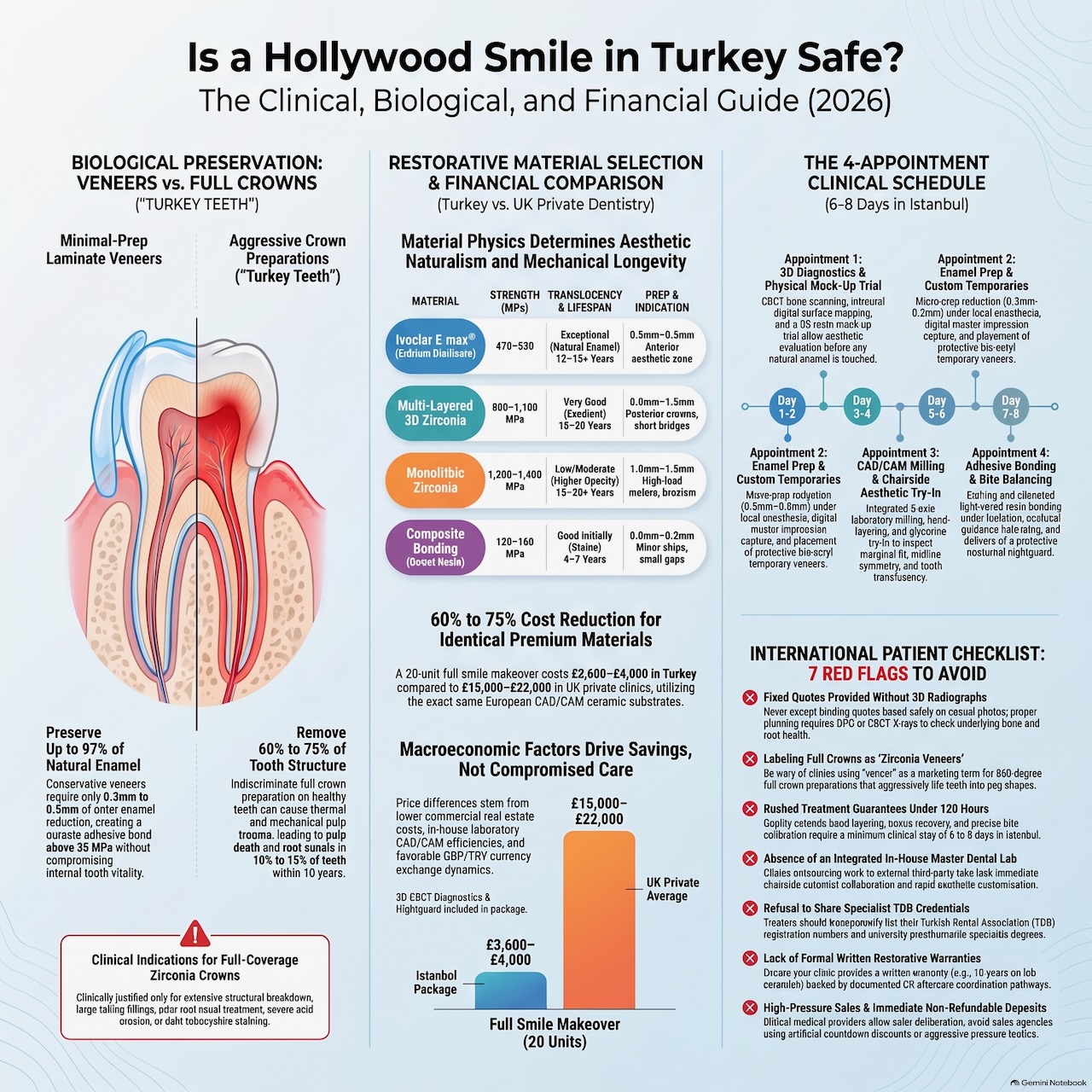
The viral media narrative of “Turkey Teeth” has caused understandable concern among prospective patients across the UK and Ireland. Sensationalist television documentaries and viral social media clips regularly depict young travellers having their natural dentition reduced to narrow, peg-like stumps before receiving connected monolithic blocks of opaque white crowns. This depiction highlights a critical distinction in clinical practice: the difference between conservative dental veneers and aggressive full-coverage crowns.
At Estesie Dental Clinic, our medical team actively counters this destructive trend by educating patients on biological preservation. Patients must understand that “Turkey Teeth” is not a legitimate dental procedure; it is the unfortunate consequence of low-cost, high-volume clinics applying invasive crown preparations to young, healthy teeth to minimise clinical chair time and avoid the delicate laboratory stages required for precision-bonded porcelain laminates.
Minimal-Prep Laminate Veneers (0.3mm–0.5mm Enamel Preservation)
Minimally invasive porcelain laminate veneers represent the gold standard in contemporary cosmetic dentistry. A veneer is a wafer-thin ceramic shell custom-milled to cover solely the facial (front) and incisal (biting) surfaces of the tooth. When performed correctly by an experienced cosmetic dentist, tooth preparation is confined entirely to the outer enamel layer, with reductions ranging between 0.3mm and 0.5mm. In certain cases involving microdontia or retroclined teeth, non-prep or ultra-thin 0.2mm contact-lens veneers can be applied without any rotary reduction.
Preserving the outer enamel mantle is essential for long-term structural success. The micro-mechanical bond strength between adhesive resin cements and etched human dental enamel is exceptionally strong, regularly exceeding 30 to 40 MegaPascals (MPa). When a preparation cuts too deep and exposes underlying dentine, bond strength drops significantly, increasing the long-term risk of micro-leakage, margin discolouration, postoperative sensitivity, and secondary caries. For patients with well-aligned, structurally intact, but discoloured or chipped teeth, minimally invasive E.max laminate veneers provide a long-lasting aesthetic transformation without compromising biological integrity.
When Are Zirconia Crowns Clinically Justified Over Veneers?
While minimal-prep veneers are ideal for preserving enamel, they are not universally indicated for every patient. Ethical cosmetic dentistry requires tailored clinical solutions rather than dogmatic material selection. There are clear clinical scenarios where full-coverage crowns—specifically multi-layered zirconium dioxide—are clinically necessary:
- Extensive Structural Breakdown: Teeth with large, failing multi-surface composite restorations, extensive recurrent caries, or large fractures lack sufficient sound enamel for reliable veneer bonding. A 360-degree crown provides circumferential structural protection against catastrophic coronal fracture.
- Previous Endodontic Therapy: Teeth that have undergone root canal treatment are structurally compromised and prone to brittleness. Clinical guidelines established by bodies such as the British Dental Association support placing a cuspal-coverage crown to seal the coronal access cavity and prevent root fracture under cyclic masticatory stress.
- Severe Bruxism and Tooth Wear: Patients suffering from chronic nocturnal bruxism or chemical acid erosion who have lost substantial vertical dimension of occlusion (VDO) often require the superior tensile strength and structural bracing of monolithic zirconia crowns.
- Severe Intrinsic Staining or Tetracycline Damage: In cases of extreme dark-grey tetracycline banding, ultra-thin laminate veneers may lack the opacity to mask the underlying dark shade without appearing bulky. High-opacity zirconia substructures can block severe discolouration while supporting aesthetic ceramic layering.
The Risks of Unnecessary Full-Coverage Crown Reductions
The critical biological danger arises when clinics prescribe full-coverage crowns for healthy, mildly crowded, or slightly discoloured teeth purely as a fast-track cosmetic makeover. Fabricating a traditional full-coverage crown requires circumferential and occlusal reduction of approximately 1.5mm to 2.0mm. This involves removing 60% to 75% of the tooth’s natural coronal tooth structure.
In young patients with large, vascular dental pulps, this aggressive reduction generates significant thermal and mechanical trauma to the underlying odontoblastic processes. Peer-reviewed prosthodontic literature demonstrates that between 10% and 15% of teeth subjected to aggressive crown reduction lose their biological vitality over a ten-year horizon, eventually developing pulp necrosis, periapical abscesses, and requiring endodontic therapy or extraction. Consequently, during a Hollywood Smile Turkey consultation, prospective patients must inspect their treatment plan carefully: if a clinic recommends 20 full crowns for virgin teeth with no history of decay, you should seek a more conservative, enamel-preserving clinical opinion.
Material Selection: E.max®, Zirconium, or Composite Bonding?
Selecting the appropriate dental restorative material is the cornerstone of clinical longevity and aesthetic success. Patients travelling to Istanbul frequently encounter technical terms such as lithium disilicate, high-translucency zirconia, and nanohybrid composites without fully understanding their physical properties. Each material presents distinct trade-offs between flexural strength, optical light dynamics, and biological conservation.
| Restorative Material | Flexural Strength | Optical Translucency | Enamel Reduction Required | Expected Clinical Lifespan | Primary Clinical Indication |
|---|---|---|---|---|---|
| Ivoclar Vivadent E.max® (Lithium Disilicate) | 470 – 530 MPa | Exceptional (Natural Enamel Match) | 0.3mm – 0.5mm (Minimal Prep) | 12 – 15+ Years | Anterior aesthetic zone, incisors, and premolars |
| Multi-Layered 3D Zirconia (ZrO2) | 800 – 1,100 MPa | Very Good (Multi-translucent gradients) | 0.8mm – 1.5mm (Moderate Prep) | 15 – 20 Years | Posterior crowns, heavy bruxism, bridge pontics |
| Monolithic Zirconia | 1,200 – 1,400 MPa | Low to Moderate (Higher opacity) | 1.0mm – 1.5mm (Circumferential) | 15 – 20+ Years | High-load molar crowns, severe night grinding |
| Composite Bonding (Direct Resin) | 120 – 160 MPa | Good initially (Subject to staining) | 0.0mm – 0.2mm (Additive) | 4 – 7 Years | Minor edge chipping, small diastemas, budget touch-ups |
Ivoclar E.max®: Maximum Translucency for Front Incisors
For the anterior aesthetic zone—specifically the central incisors, lateral incisors, and canines—Ivoclar Vivadent E.max® (pressable or CAD-milled lithium disilicate) remains the premier restorative material worldwide. The fundamental advantage of lithium disilicate lies in its glass-ceramic matrix. Because glass disperses and transmits light similarly to natural hydroxyapatite crystals in human tooth enamel, E.max restorations avoid the flat, opaque appearance often seen with low-grade dental crowns.
E.max possesses an average flexural strength of approximately 500 MPa. While this is lower than the sheer mechanical strength of structural industrial zirconia, it far exceeds normal physiological human bite forces, which typically average between 150 and 220 MPa in the anterior segment. More importantly, lithium disilicate can be acid-etched using hydrofluoric acid and silanated with chemical coupling agents. This process creates an exceptionally stable chemical and micromechanical bond with the natural enamel surface, sealing the restorative margins seamlessly.
Monolithic & Multi-Layered Zirconia: High Tensile Strength for Heavy Bites
In contrast to glass-matrix ceramics, zirconium dioxide is a polycrystalline ceramic devoid of glass components. This internal microstructure imparts immense mechanical stability. Early generations of dental zirconia suffered from high opacity, resembling white bathroom porcelain. However, advanced manufacturing techniques now produce multi-layered 3D zirconia pucks (incorporating 4Y-PSZ and 5Y-PSZ crystal phases) that feature shifting gradients of strength and translucency within a single block.
The gingival third of a multi-layered zirconia restoration maintains high flexural strength (approx. 1,050 MPa) to withstand cervical flexing and occlusal loads, while the incisal edge transitions to high translucency (approx. 700 to 800 MPa) to replicate natural edge transparency. At Estesie Dental Clinic, our master dental technicians select multi-layered zirconia when patients present with high occlusal force indicators, a history of fractured porcelain restorations, or missing posterior teeth requiring a 3-unit or 4-unit fixed bridge. Conversely, for direct composite bonding, although non-invasive and economical, the resin matrix inevitably absorbs fluids, undergoes marginal degradation, and requires routine polishing or replacement every 4 to 6 years, making it an impermanent solution for full-arch makeovers.
Hollywood Smile Turkey Cost in 2026: Turkey vs UK Private Dental Comparison
When assessing a prospective smile transformation, understanding the financial topography between the UK private healthcare system and destination clinics in Istanbul is essential. In the United Kingdom, private cosmetic dentistry operates under significant overhead structures, making comprehensive aesthetic rehabilitations financially prohibitive for many patients. Consequently, international dental tourism has expanded rapidly, offering identical clinical materials at substantially lower costs.
A full Hollywood Smile Turkey package addressing 16 to 20 units typically costs between £2,800 and £4,800 (€3,300 to €5,600 / $3,600 to $6,100). In stark contrast, private dental clinics in London, Manchester, or Dublin routinely charge between £14,000 and £22,000 for equivalent full-arch porcelain laminate restorations. This represents a verifiable cost reduction of 60% to 75% without compromising the quality of the medical ceramic substrates utilised.
| Cosmetic Treatment Unit | Estesie Dental Clinic (GBP £) | Estesie Dental Clinic (EUR €) | Estesie Dental Clinic (USD $) | UK Private Dental Average (GBP £) |
|---|---|---|---|---|
| Single E.max® Laminate Veneer | £180 – £240 | €215 – €285 | €230 – €310 | £750 – £1,100 |
| Single Multi-Layered Zirconia Crown | £160 – £210 | €190 – €250 | €205 – €270 | £650 – £950 |
| Full Smile Makeover (16 Units: 8+8) | £2,880 – £3,600 | €3,400 – €4,250 | €3,700 – €4,650 | £12,000 – £16,000 |
| Full Smile Makeover (20 Units: 10+10) | £3,600 – £4,800 | €4,250 – €5,650 | €4,650 – €6,200 | £15,000 – £22,000 |
| Diagnostic 3D CBCT Imaging & DSD Mock-Up | Included in Package | Included in Package | Included in Package | £250 – £450 |
| Bespoke Protective Nightguard | Included in Package | Included in Package | Included in Package | £180 – £300 |
Please note: The prices listed above are indicative clinical benchmarks. Exact investment levels depend entirely on individual anatomical presentation, bone volume, and required soft-tissue re-contouring. We encourage patients to view our detailed published dental fee breakdown or request a bespoke treatment plan via our patient coordination team.
Full Package Breakdown (Transfers, 5-Star Accommodation & Diagnostics)
A legitimate concern for international travellers is the complexity of logistics in an unfamiliar city. Ethical clinics in Istanbul resolve this by structuring comprehensive medical packages. At Estesie Dental Clinic, our standard patient care pathway includes dedicated airport pick-up services, chauffeured private transfers between your five-star hotel and our Bakırköy clinic for every clinical appointment, and comprehensive pre-treatment diagnostics.
Furthermore, diagnostics are never treated as billable add-ons. Every patient undergoes high-resolution digital orthopantomography (OPG), volumetric cone beam computed tomography (CBCT) where underlying root health or bone density must be assessed, intraoral colour scanning, and the physical DSD mock-up trial at zero supplementary charge. By packaging these services into a unified itinerary, patients avoid unexpected incidental expenses while experiencing a smooth clinical journey.
Why Turkish Dental Clinics Offer 60%–70% Savings Over UK Clinics
Prospective patients frequently ask a fundamental question: “If the materials are identical, why is a Hollywood Smile Turkey so much less expensive?” Many wonder whether the substantial price difference indicates inferior dental materials, compromised infection control, or undertrained clinical staff. In reality, the difference stems from structural macroeconomic factors rather than material quality:
- Operational and Real Estate Overheads: Operating a cutting-edge clinical practice in central London, Manchester, or Edinburgh incurs exceptionally high commercial rents, business rates, and local taxes. In contrast, property overheads in Istanbul remain significantly lower.
- Laboratory Manufacturing Efficiencies: Modern Turkish dental centres house integrated digital CAD/CAM milling laboratories staffed by dedicated master ceramists. UK dentists, by contrast, must frequently outsource porcelain lab work to commercial dental laboratories, adding substantial third-party markups and shipping delays to the patient’s final bill.
- Currency Exchange Dynamics: The exchange rate between the British Pound (GBP), Euro (EUR), and Turkish Lira (TRY) offers strong purchasing power to international travellers, directly reducing the cost of clinical procedures.
- Staffing and Indemnity Costs: While our dental surgeons and prosthodontists maintain postgraduate training matching international benchmarks, standard clinic operational costs, specialist auxiliary salaries, and medical indemnity structures are priced according to local living costs.
Hidden Costs to Avoid (CBCT Scans, Extractions, and Gum Contouring)
While Turkey provides exceptional value, prospective patients must remain cautious regarding low-cost operators advertising unrealistically cheap transformations. Budget clinics often employ bait-and-switch pricing strategies, quoting an alluring low figure online before presenting itemised surcharges once the patient is seated in the dental chair.
When comparing quotes for a Hollywood Smile Turkey, always verify that your written quotation explicitly accounts for auxiliary procedures:
- Aesthetic Gum Contouring (Gingivectomy): Asymmetric gingival margins or a “gummy smile” frequently require laser gingivectomy to lengthen clinical crowns before veneers are placed. High-volume clinics often charge an unexpected £50 to £80 per tooth for this basic preparatory step.
- Core Build-Ups and Old Restoration Removal: If you have failing fillings or existing crowns that must be removed, ensure the cost of deconstruction, caries excavation, and composite core reconstruction is fully documented in advance.
- Provisional Restorations: Never accept a quote that excludes high-grade temporary acrylic veneers. Wearing custom temporaries protects prepared teeth from thermal shock and bacterial contamination while the definitive restorations are being milled in the laboratory.
The Clinical Journey: Step-by-Step Treatment Schedule in Istanbul
A successful smile makeover requires disciplined clinical staging. High-volume clinics that attempt to complete full-arch transformations in 48 to 72 hours frequently skip vital diagnostic and biological phases, leading to premature debonding, poor marginal fit, and chronic gingival inflammation. At Estesie Dental Clinic, our clinical protocol follows a structured 6-to-8-day treatment schedule designed to protect pulpal health, allow tissue recovery, and ensure precise occlusal harmony.
Appointment 1: 3D Imaging, Intraoral Scanning & Mock-Up Trial
Your clinical journey begins with an exhaustive diagnostic evaluation. On your first morning at our clinic, our clinical team conducts a comprehensive physical examination, periodontal charting, and digital imaging utilising low-dose digital OPG and CBCT scanning. We evaluate the structural integrity of your roots, assess cortical bone thickness, and verify the absence of periapical pathology or active periodontal disease.
Next, we record high-definition intraoral scans using optical digital scanners, replacing outdated, uncomfortable alginate trays with precise digital impressions. Using Digital Smile Design software, our aesthetic team collaborates directly with you to establish target tooth dimensions, incisal edge positions, and shade preferences. Before any tooth preparation occurs, we transfer this digital blueprint into your mouth using a 3D-printed resin diagnostic mock-up. You can look in the mirror, evaluate the visual proportions, speak, and confirm your preferred aesthetics before any enamel is altered.
Appointment 2: Enamel Preparation, Precision Impressions & Temporary Teeth
Once you approve the diagnostic mock-up, the preparatory stage begins. Under profound, pain-free local infiltration anaesthesia, our cosmetic dentists perform conservative, minimally invasive preparation through the mock-up itself. This depth-limiting technique ensures that only the absolute minimum amount of enamel (0.3mm to 0.5mm) is removed, preserving the natural tooth structure.
Following preparation, fine-line retraction cords are gently placed into the gingival sulcus to displace the gum tissue cleanly. We then capture a micron-accurate digital master dental impression, recording the margins of each preparation. Before you leave the clinic, we fabricate and seat high-strength, aesthetic temporary restorations hand-finished from bis-acryl resin. These provisional teeth match the approved smile design, allowing you to eat comfortably, speak normally, and enjoy Istanbul’s historic sites without aesthetic compromise or thermal sensitivity while our laboratory ceramists handcraft your permanent restorations.
Appointment 3: Custom Lab Milling & Aesthetic Try-In
Over the next 48 to 72 hours, our in-house master ceramists mill your restorations using high-precision 5-axis CAD/CAM milling units, working from raw Ivoclar E.max lithium disilicate blocks or multi-layered zirconium pucks. Each individual restoration is individually characterized, hand-stained, and furnace-glazed to reproduce natural enamel characteristics, including subtle mammelon formations, developmental grooves, and natural incisal translucency.
On Day 4 or 5, you return to the clinic for the try-in stage. The temporary restorations are gently removed, the prepared enamel is thoroughly cleaned, and the ceramic veneers are tried in using water-soluble glycerine try-in pastes. This critical stage allows you and your clinician to evaluate the aesthetic fit under natural and clinical lighting. We inspect the marginal adaptation, verify healthy contact points, evaluate midline accuracy, and confirm lip support. If any micro-adjustments to shape, contour, or shade are desired, the restorations return to our ceramists for immediate refinement.
Appointment 4: Final Bonding, Occlusal Balancing & Nightguard Delivery
The final appointment represents the culmination of your Hollywood Smile Turkey treatment. Adhesive cementation is a delicate, technique-sensitive clinical procedure. The operating field is carefully isolated using a rubber dam or advanced cheek retraction systems to prevent saliva and moisture contamination. The inner surfaces of your E.max veneers are conditioned with hydrofluoric acid and coated with silane primer, while the tooth enamel is etched with 37% phosphoric acid to create microscopic bonding pores.
Using shade-matched, light-cured resin cements, each veneer is bonded into place and polymerised with high-intensity curing lights. Our dentists then meticulously remove all excess subgingival cement using micro-scalers and dental floss to protect against future gingival inflammation. Finally, we perform computerized occlusal balancing using articulation paper to confirm that your bite forces are distributed evenly during chewing and lateral grinding movements. Before your departure, we take a final digital scan to produce a custom-fitted occlusal nightguard, which protects your new restorations from unconscious nocturnal grinding and safeguards your clinical investment for the long term.
Patient Safety, Accreditations & UK Aftercare Continuity
For any patient contemplating cross-border dental treatment, patient safety, clinical governance, and long-term aftercare continuity must take precedence over purely aesthetic desires. A successful Hollywood Smile Turkey procedure depends entirely on the regulatory compliance of the treating facility and the ongoing maintenance protocols established once you return home to the UK or Ireland. International medical travel should never be an unmonitored transaction; it requires structured clinical handovers and rigorous infection control standards.
Prospective patients must recognise that Turkish healthcare facilities operating within the medical tourism sector are subject to stringent governmental oversight. However, significant variations in clinical philosophy exist between high-volume, commercial dental hubs and specialist-led reconstructive practices. Verifying independent accreditations, clinician credentials, and formal cross-border aftercare networks represents your most effective safeguard against biological complications.
Checking Turkish Ministry of Health Tourism Certification & TDB Registration
Before transferring deposits or booking flights to Istanbul, every international patient should independently verify two fundamental regulatory credentials. Operating without these certifications is illegal under Turkish public health statutes, and reputable clinics will readily furnish their registration identifiers upon request:
- Turkish Ministry of Health (T.C. Sağlık Bakanlığı) International Health Tourism Authorisation: The Ministry of Health enforces comprehensive statutory inspections covering sterilisation autoclaves, emergency medical equipment, clinical air filtration, patient data protection, and bilingual clinical staffing. Accredited clinics hold an official Health Tourism Certificate displaying a registered certificate barcode.
- Turkish Dental Association (Türk Dişhekimleri Birliği – TDB) Registration: All practising dentists in Turkey must be registered members of the TDB and their regional chamber (such as the Istanbul Chamber of Dentists). Furthermore, aesthetic smile makeovers and implant rehabilitations should be directed by clinicians holding recognised postgraduate specialist degrees in prosthodontics, periodontology, or oral and maxillofacial surgery.
At Estesie Dental Clinic, our clinical directors and surgical team maintain active TDB standing and specialist prosthodontic accreditations. In addition, our clinical workflows adhere to strict cross-infection protocols aligned with European and UK standards, including vacuum autoclave cycle verification, disposable surgical drapes, and hospital-grade air purification in all clinical suites.
What UK Patients Must Do for Long-Term Maintenance and Check-Ups
The clinical lifespan of your ceramic restorations does not conclude when you step onto the return flight from Istanbul Airport. Even the most immaculately fabricated E.max laminate veneers or zirconia crowns will fail prematurely if periodontal hygiene, occlusal forces, and marginal plaque accumulations are neglected. Establishing continuity of care within the UK is essential for maintaining your 10-year clinic warranty.
To ensure optimal long-term success, British and Irish patients must commit to three non-negotiable postoperative practices:
- Maintain Routine Hygienist and Dental Reviews: Register with a supportive local private dentist or dental hygienist in the UK for six-monthly preventive maintenance. Professional scaling should be performed using ultrasonic scalers fitted with specialized non-metallic or carbon-composite tips to avoid scratching glazed porcelain margins.
- Wear Your Custom Nightguard Nightly: Sleep-related bruxism exerts forces exceeding 500 Newtons per square centimetre. Wearing the custom vacuum-formed nightguard delivered during your final appointment at Estesie Dental Clinic protects your ceramic restorations from micro-fractures, margin debonding, and unnatural wear on opposing natural teeth.
- Interdental Cleaning Protocol: Marginal gingivitis and secondary root caries occur when plaque accumulates at the restoration margin. Daily use of interdental brushes or water flossers combined with non-abrasive fluoride toothpaste preserves gingival papillae health and prevents biological marginal breakdown.
Frequently Asked Questions
How much does a full Hollywood Smile cost in Turkey in 2026?
In 2026, a comprehensive Hollywood Smile Turkey package covering 16 to 20 units typically costs between £2,800 and £4,800 (€3,300 to €5,600 / $3,600 to $6,100). The total cost depends on whether premium Ivoclar E.max laminate veneers or multi-layered zirconia restorations are indicated. In contrast, equivalent full-arch treatments in private UK dental practices typically range from £14,000 to £22,000. Comprehensive packages at Estesie Dental Clinic include diagnostic 3D CBCT scans, Digital Smile Design mock-ups, VIP airport and hotel clinic transfers, temporary restorations, and custom protective nightguards.
What is the difference between porcelain veneers and dental crowns for a Hollywood Smile?
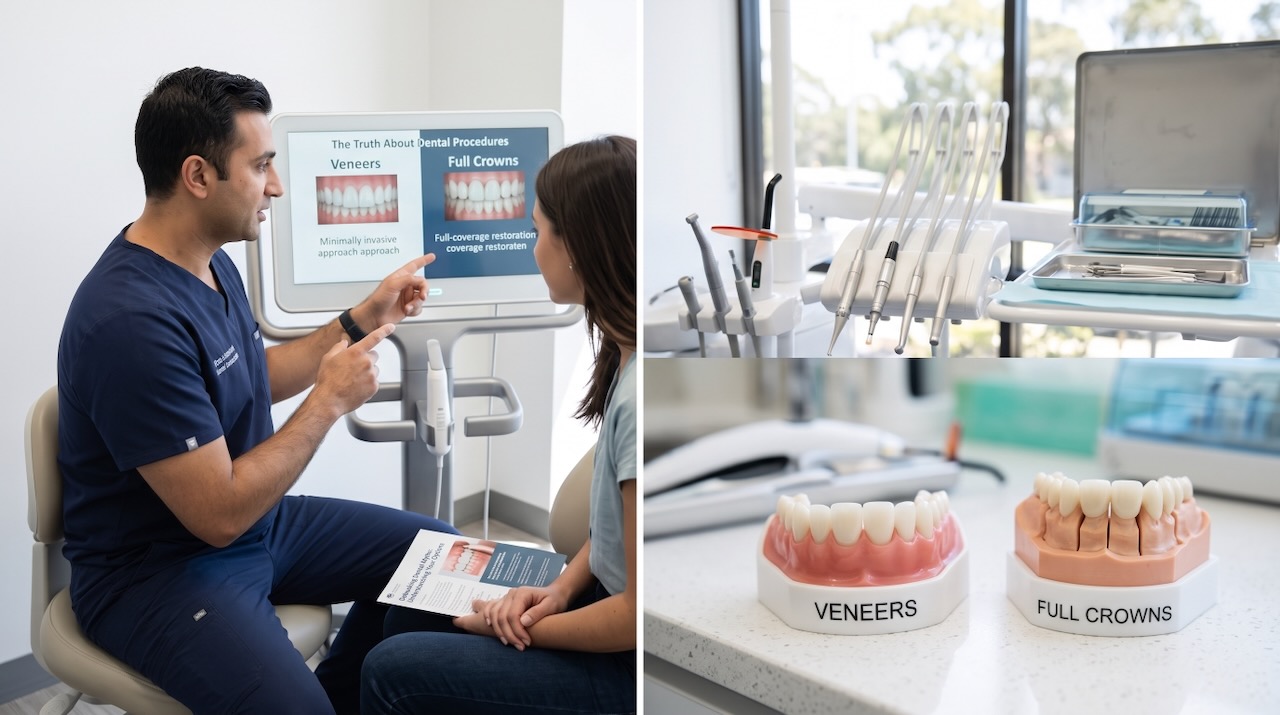
The primary difference lies in the degree of natural tooth preparation. A porcelain laminate veneer is a minimally invasive restoration covering only the facial (front) and incisal (biting) surfaces of the tooth, requiring a conservative enamel reduction of just 0.3mm to 0.5mm. In contrast, a full dental crown encases the entire tooth circumferentially (360 degrees), requiring the removal of 60% to 75% of the natural tooth structure. Reputable cosmetic dentists prioritise veneers for healthy teeth and reserve crowns for teeth with extensive structural damage, large failing fillings, or previous root canal treatments.
How long does a Hollywood Smile from Turkey actually last?
Clinically bonded E.max porcelain laminate veneers demonstrate a 10-to-15-year survival rate exceeding 90% when supported by meticulous oral hygiene and protective nightguard use. Multi-layered zirconia crowns offer an expected lifespan of 15 to 20 years due to their exceptional flexural strength. To maximize restoration longevity, patients must avoid using their anterior teeth as tools (such as opening packaging), attend regular six-monthly professional cleanings, and maintain good interdental hygiene to protect against marginal gum disease.
Is getting a Hollywood Smile in Turkey safe compared to private UK dentistry?
Yes, undergoing a Hollywood Smile Turkey procedure is safe, provided you select an officially licensed clinic certified by the Turkish Ministry of Health and staffed by registered Turkish Dental Association (TDB) specialists. Turkish dental legislation enforces clinical governance, modern sterilization standards, and digital imaging protocols that match or exceed European standards. Patient safety issues arise primarily when individuals select unlicensed, low-cost marketing brokers who perform aggressive crown reductions instead of conservative, minimally invasive veneer preparations.
How many days do I need to stay in Istanbul for a complete Hollywood Smile procedure?
A safe, clinically sound smile makeover requires an in-person stay of 6 to 8 days in Istanbul. This timeline allows adequate staging: Day 1 involves 3D imaging, scans, and diagnostic mock-up evaluation; Day 2 covers conservative tooth preparation, precision digital impressions, and temporary tooth placement; Days 3 to 5 are dedicated to precision CAD/CAM milling and custom hand-layering in the laboratory; and Day 6 or 7 involves aesthetic try-ins, final adhesive bonding, and bite balancing. Clinics promising full transformations in 48 hours should be avoided, as rushing skips crucial biological steps.
Do dentists in Turkey shave down all your natural teeth for a Hollywood Smile?
No, ethical dental clinics in Turkey do not aggressively file down healthy teeth into small pegs. The viral social media trend known as “Turkey Teeth” results from aggressive full-crown reductions carried out by low-cost providers to save laboratory time. Modern, reputable aesthetic practices rely on minimally invasive techniques that remove only 0.3mm to 0.5mm of outer enamel. This conservative approach preserves the inner dentine and protects tooth vitality, ensuring the biological health of your natural smile.
What happens if my veneers or crowns fail when I return to the UK?
Leading clinics provide comprehensive written warranties on laboratory work. At Estesie Dental Clinic, patients receive a formal 10-year warranty on ceramic restorations and a lifetime warranty on premium implant fixtures. If an issue such as a debonded veneer or minor bite discrepancy occurs upon your return to the UK, our international patient care team coordinates with private UK dental partners to resolve the issue swiftly, covering valid corrective procedures under our formal clinical warranty terms.
Are E.max veneers better than zirconia crowns for front teeth aesthetics?
Yes. For front teeth within the aesthetic zone, Ivoclar E.max lithium disilicate is widely regarded as the gold standard. As a glass-ceramic, E.max transmits, absorbs, and reflects light in a manner virtually identical to natural human enamel, providing lifelike depth and translucency. Zirconia is a stronger polycrystalline ceramic best suited for posterior molars, heavy bite forces, or masking dark underlying tooth structures. However, for natural-looking front incisors, E.max offers superior optical qualities.
Does the Hollywood Smile treatment hurt, and is local anaesthesia or sedation available?
The tooth preparation and cementation appointments are entirely comfortable under modern local infiltration anaesthesia. Patients experience no sharp pain during the clinical procedures, though minor muscular fatigue from keeping the mouth open and transient cold sensitivity while wearing temporary veneers can occur. For patients with dental anxiety or phobias, Estesie Dental Clinic provides conscious intravenous (IV) sedation administered and monitored by a consultant anaesthetist.
Can I get a Hollywood Smile on the NHS, or is it strictly private cosmetic dentistry?
Cosmetic smile makeovers cannot be obtained through the NHS. The UK National Health Service exclusively funds clinically essential treatments necessary to maintain oral health, eliminate active dental disease, or restore basic masticatory function. Purely elective aesthetic procedures—such as porcelain laminate veneers, teeth whitening, and aesthetic crown re-contouring—are strictly categorized as private dental treatments across both the UK and international markets.
Conclusion: Making an Informed Biological Decision
Undergoing a Hollywood Smile Turkey transformation represents a transformative personal decision that can revitalize your self-confidence, restore chewing efficiency, and elevate your quality of life. However, true aesthetic success depends on prioritising biological preservation over fast-track cosmetic compromises. A healthy, radiant smile should never require sacrificing sound tooth structure for aggressive, unnecessary crown preparations.
By partnering with a clinic that champions minimally invasive veneer techniques, utilizes authentic materials like Ivoclar E.max and premium multi-layered zirconia, and provides structured aftercare continuity, you can achieve an exceptional cosmetic outcome safely and predictably. If you are ready to explore your options with transparency and clinical precision, we invite you to review our verified patient before and after transformations or reach out to our team via the Estesie Dental Clinic contact portal to schedule your complimentary digital diagnostic consultation.
Biomimetic Dentistry vs Aggressive Cosmesis: Protecting Enamel Longevity
When planning a comprehensive Hollywood Smile Turkey restoration, understanding the principles of biomimetic restorative dentistry is critical. The fundamental goal of modern restorative dentistry is not simply covering underlying teeth with an opaque, brilliant-white facade. Instead, it focuses on preserving healthy tissue, replicating the natural biomechanics of dental enamel, and safeguarding pulpal vitality over decades of cyclic functional loading.
In a healthy human tooth, the enamel mantle acts as a tough, stiff exterior shell supported by the more resilient, flexible dentine beneath. This biological arrangement dissipates occlusal stresses seamlessly through the periodontal ligament into the supporting alveolar bone. When aggressive dental preparation removes the protective enamel layer to accommodate thick, opaque artificial crowns, this natural stress-distribution mechanism is disrupted. Under repeated chewing forces, mechanical strain concentrates at the cervical margin, increasing the long-term risk of catastrophic root fracture, marginal micro-leakage, and recurrent caries.
At Estesie Dental Clinic in Bakırköy, Istanbul, our clinicians adhere strictly to conservative restorative principles. By utilizing specialized diamond burs with built-in depth stops under high-magnification surgical loupes and operating microscopes, tooth reduction is maintained at a conservative 0.3mm to 0.5mm within the outer enamel envelope. Restorations bonded directly to intact etched enamel demonstrate long-term shear bond strengths exceeding 35 MPa, forming a biomechanical monobloc that restores up to 90% of the tooth’s original structural stiffness.
The Chemistry of Adhesion: Total-Etch vs Self-Etch in Aesthetic Longevity
The long-term clinical retention of a Hollywood Smile Turkey makeover depends heavily on the chemical protocols used during the final bonding appointment. While traditional full crowns rely primarily on mechanical friction and conventional luting cements (such as glass ionomer or zinc phosphate), modern porcelain laminate veneers depend on advanced adhesive chemistry.
Adhesive bonding of Ivoclar E.max lithium disilicate requires a disciplined, multi-step clinical protocol:
- Enamel Micro-Etching: The tooth surface is treated with 37% orthophosphoric acid for 15 to 20 seconds. This selective dissolution removes the smear layer and creates microscopic retentive pits within the enamel prism cores, facilitating the penetration of resin monomers.
- Porcelain Surface Conditioning: The intaglio (inner) fitting surface of the lithium disilicate veneer is etched with 4.5% to 9% hydrofluoric acid for precisely 20 seconds. This dissolves the glass matrix and exposes an intricate crystal framework. Over-etching weakens the ceramic, while under-etching compromises bond strength.
- Chemical Silanation: A specialized silane coupling agent is applied to the etched porcelain. Silane acts as a molecular bridge, forming covalent siloxane bonds between the inorganic silicon dioxide of the ceramic and the organic polymers of the resin cement.
- Light-Cured Resin Polymerisation: Using pure light-cured (rather than dual-cured) resin luting agents prevents long-term tertiary amine oxidation, ensuring the aesthetic margins never develop yellow or brown discoloration over years of coffee, tea, and red wine exposure.
When this sequence is executed meticulously under absolute moisture isolation, the risk of a veneer dislodging or debonding prematurely drops below 1.5% across a ten-year clinical observation window. Conversely, shortcuts in bonding protocols—such as placing restorations in a moisture-contaminated field—inevitably lead to adhesive failure and premature restorative breakdown.
Shade Selection Architecture: Avoiding the ‘Chiclet’ Aesthetic
A frequent challenge for patients seeking a Hollywood Smile Turkey is balancing their desire for a bright smile with the need for natural aesthetic realism. Commercial social media profiles often promote extreme, monochromatic “Bleach Shade 1” (BL1) smiles. However, teeth that lack anatomical surface texture, light gradation, and incisal translucency can appear unnatural, resembling opaque white tiles under direct sunlight.
Natural human dentition possesses complex optical characteristics that master ceramists replicate through strategic layering:
- Cervical Saturation (Gingival Third): The neck of the tooth naturally displays a warmer, more saturated chroma, reflecting the thicker underlying dentine and providing visual transition into the pink gingival architecture.
- Body Luminance (Middle Third): The central body of the tooth determines the perceived brightness (value) and primary hue, requiring balanced opacity to mask minor internal discolorations without blocking ambient light transmission.
- Incisal Translucency and Opalescence (Biting Edge): The incisal edge of natural teeth contains pure enamel prisms with little to no underlying dentine. Master ceramists incorporate subtle blue, violet, and amber translucent ceramic powders along the incisal edge to mimic natural light scattering (the Tyndall effect) and create lifelike depth.
- Surface Micro-Texture and Perikymata: Flat, ultra-glossy ceramic surfaces reflect light in harsh, continuous sheets, instantly revealing their artificial nature. Hand-carving fine horizontal perikymata lines and developmental vertical lobes into the unfired porcelain scatters ambient light naturally, giving the restorations an authentic appearance.
During your Digital Smile Design consultation at Estesie Dental Clinic, our clinicians provide high-resolution shade shade tabs ranging from natural A1/B1 shades to specialized bleaching shades (BL1, BL2, BL3, and BL4). We help patients choose a shade that harmonises with their facial profile, skin undertones, and sclera (the white of the eyes), ensuring the final result looks vibrant yet naturally integrated.
Occlusal Engineering: Protecting Your Investment from Bite Forces
The primary reason aesthetic dental rehabilitations fail prematurely is not material inadequacy; it is poor occlusal engineering. Human jaws can generate crushing forces exceeding 600 Newtons in the molar regions and 200 Newtons in the anterior region. If a cosmetic dentist adjusts the height or contour of your new teeth without carefully balancing your dental occlusion, catastrophic ceramic chipping, joint dysfunction, and chronic facial headaches can result.
At Estesie Dental Clinic, our reconstructive team evaluates your functional jaw dynamics across three critical clinical parameters before finalizing your new smile:
1. Mutually Protected Occlusion & Anterior Guidance
In a healthy masticatory system, the posterior teeth protect the front teeth during normal chewing, while the anterior teeth protect the back teeth during lateral and forward grinding movements. When you slide your jaw to the left or right, your canine teeth should make gentle, uniform contact, instantly causing all posterior molars to disengage (disocclude). This phenomenon—known as canine guidance—switches off the masseter and temporalis muscles via proprioceptive feedback loops in the periodontal ligament, dramatically reducing mechanical strain on the ceramic restorations.
If a cosmetic clinic places flat, unguided veneers on the front teeth, this protective mechanism is lost. The posterior teeth may clash during sideways chewing motions, generating destructive lateral shear forces that can shear off ceramic margins or cause persistent jaw joint discomfort. Our prosthodontists calibrate every incisal edge and palatal guidance ramp during the try-in stage to guarantee smooth, unimpeded anterior guidance.
2. Temporomandibular Joint (TMJ) Stability & Centric Relation
When planning a full Hollywood Smile Turkey restoration covering 16 to 20 units, the patient’s bite must be recorded in Centric Relation (CR)—the physiologically stable, seated position of the condyles within the glenoid fossa of the temporomandibular joint. Inexperienced cosmetic providers often make the mistake of preparing teeth and capturing impressions in the patient’s existing habitual bite, which may be compromised by tooth wear, missing molars, or acquired muscle compensations.
Failing to establish a stable, repeatable centric relation can lock the lower jaw into an unnatural position. Patients may experience acute muscle tenderness, clicking or popping in the TMJ, difficulty finding a comfortable resting bite, and rapid ceramic wear. By utilizing diagnostic facebow transfers and computerized occlusal analysis, our clinical team ensures that your aesthetic transformation functions in complete harmony with your jaw joints and facial musculature.
3. Long-Term Management of Sleep Bruxism
Unconscious nocturnal tooth grinding and jaw clenching affect roughly 15% to 20% of adult dental patients. Because bruxism occurs during REM sleep cycles, patients can exert continuous biting pressures three to four times greater than normal daytime chewing forces. While high-strength monolithic zirconia can withstand high compressive loads, opposing natural teeth may suffer accelerated wear, or the underlying adhesive resin interface may experience cyclic micro-fatigue.
To address this risk, our comprehensive treatment packages include a bespoke, laboratory-fabricated occlusal splint (nightguard) made from high-density thermoformed biocompatible resin. This appliance acts as a shock-absorbing buffer, distributing nocturnal clenching forces evenly across the entire dental arch and protecting your ceramic restorations. Wearing your nightguard consistently is an essential clinical prerequisite for maintaining your 10-year restorative warranty.
Travel Logistics, Recovery Timeline & Flight Safety Considerations
Undergoing dental surgery abroad requires careful logistical coordination alongside clinical planning. A Hollywood Smile Turkey journey involves international flights, dietary adjustments, local transportation, and post-operative healing. Understanding the practical aspects of your stay ensures a smooth, stress-free recovery.
Cabin Pressure and Flight Timing Post-Procedure
A common inquiry among international patients relates to the safety of flying immediately following treatment. For routine porcelain laminate veneer placements involving conservative enamel preparation, commercial aircraft cabin pressurisation presents no physiological risk. The adhesive resin interface is fully polymerised chairside, meaning altitude changes will not dislodge restorations or alter bonding integrity.
However, if your smile makeover involves surgical adjuncts—such as surgical extractions, open-flap bone grafting, or laser-assisted gingivectomy—specialized precautions apply:
- Barometric Pressure Variations: Aircraft cabins are typically pressurized to an equivalent altitude of 6,000 to 8,000 feet above sea level. This pressure drop causes gases in enclosed body cavities to expand by roughly 20% to 25%. If a patient has unresolved periapical pathology or recent sinus lift procedures associated with dental implant placement, this expansion can trigger localized sinus discomfort (barodontalgia).
- Recommended Buffer Window: At Estesie Dental Clinic, we advise scheduling your departure flight at least 24 to 48 hours following the final bonding and occlusal balancing appointment. This observation window allows your periodontal tissues to settle, lets you test your bite across several meals in Istanbul, and gives our team the opportunity to perform fine-tuning adjustments before you return home.
Post-Operative Diet and Recovery Protocols
During the 48 to 72 hours following the final cementation of your new smile, the underlying tooth dentine and surrounding gingival tissues undergo a natural healing phase. While modern adhesive cements achieve immediate mechanical stability, the biological tissues benefit from careful post-operative care:
- First 24 Hours: Strictly avoid foods and beverages at extreme temperatures (boiling teas, iced water) if minor transient pulp sensitivity is present. Consume softer foods such as soups, pasta, steamed vegetables, and fish to allow your jaw musculature to adapt to your refined incisal guidance.
- First 7 Days: Avoid biting directly into hard, dense items (such as crusty artisan baguettes, raw carrots, or unshelled nuts) using your newly restored front incisors. Instead, cut harder foods into smaller pieces and chew primarily with your posterior molars.
- Habitual Adjustments: Never use your teeth as tools to tear tape, open plastic packaging, or crack shells. While Ivoclar E.max is exceptionally strong, concentrated point-source leverage forces can chip ceramic edges on artificial and natural teeth alike.
The International Patient Checklist: 7 Red Flags to Watch For in Turkey
Because dental tourism in Istanbul includes hundreds of private clinics, marketing agencies, and intermediary facilitators, knowing how to identify sub-standard providers is vital. When evaluating proposals for your Hollywood Smile Turkey, watch for these seven clear clinical red flags:
- Instant One-Price Quotes Without Diagnostic Imaging: Any clinic that provides a firm, binding quote based solely on casual smartphone selfies without reviewing high-resolution dental X-rays (OPG or CBCT) is cutting corners. Undiagnosed active decay, periapical abscesses, or periodontal bone loss will compromise the longevity of aesthetic restorations.
- Promoting Full Crowns as ‘Standard Veneers’: Be cautious of clinics that use the terms “veneer” and “crown” interchangeably. If a treatment plan lists “Zirconia Veneers” that involve 360-degree circumferential tooth shaving, you are receiving full dental crowns, not conservative laminate veneers.
- Guarantees of Completion in 120 Hours: Safely fabricating, hand-layering, and adhesively bonding 16 to 20 units of custom glass-ceramics cannot be rushed. Rushed 120-hour turnarounds bypass crucial steps like aesthetic try-ins, soft-tissue recovery, and careful bite balancing, leading to ill-fitting margins and long-term gum issues.
- Lack of In-House Master Ceramists: Clinics that outsource all laboratory work to low-cost third-party commercial labs lack direct quality control over ceramic purity and shading. Having an integrated, in-house CAD/CAM milling laboratory allows restorative dentists and master ceramists to collaborate directly at your chairside.
- Reluctance to Disclose Clinician Credentials: Ethical clinics transparently publish the names, university backgrounds, and TDB registration numbers of their treating dentists. Avoid facilities that refuse to name the specific prosthodontist or oral surgeon performing your procedure.
- Absence of a Formal Written Warranty: Reputable clinics back their prosthetics with comprehensive written warranties (typically 5 years on laboratory ceramics and lifetime coverage on premium dental implants) that clearly explain the terms, conditions, and UK aftercare support pathways.
- High-Pressure Sales Tactics and Artificial Urgency: Healthcare decisions should be made with calm deliberation. If a medical coordinator uses countdown discounts, pressure tactics, or insists on immediate non-refundable deposits, consider it a clear operational warning sign.
By conducting thorough research, confirming regulatory registrations, and prioritizing biological conservation over fast-track cosmetic compromises, you can approach your aesthetic transformation with complete confidence. At Estesie Dental Clinic, we remain dedicated to transparent, evidence-based care, combining advanced digital workflows with conservative clinical techniques to give you a healthy, functional, and enduring smile.