

Comprehensive Analysis of Straumann Dental Implants in Turkey 2026
This article provides an exhaustive academic and economic analysis of straumann dental implants in turkey, exploring why this specific combination of Swiss engineering and Turkish clinical expertise—exemplified by institutions like Estesie Dental Clinic—offers an optimal pathway for patient care.
Contents
The Biomechanics of Osseointegration and Implant Material Science
To understand the value proposition of straumann dental implants in turkey, one must first appreciate the biological mechanisms at play. The success of any endosseous implant relies on osseointegration, a term coined by Professor Per-Ingvar Brånemark, defining the direct structural and functional connection between living bone and the surface of a load-bearing artificial implant.
Titanium and Zirconia: The Material Foundation
Historically, commercially pure titanium (Grade 4) has been the gold standard due to its exceptional biocompatibility and mechanical strength. However, Straumann has innovated beyond standard titanium with the introduction of proprietary alloys.
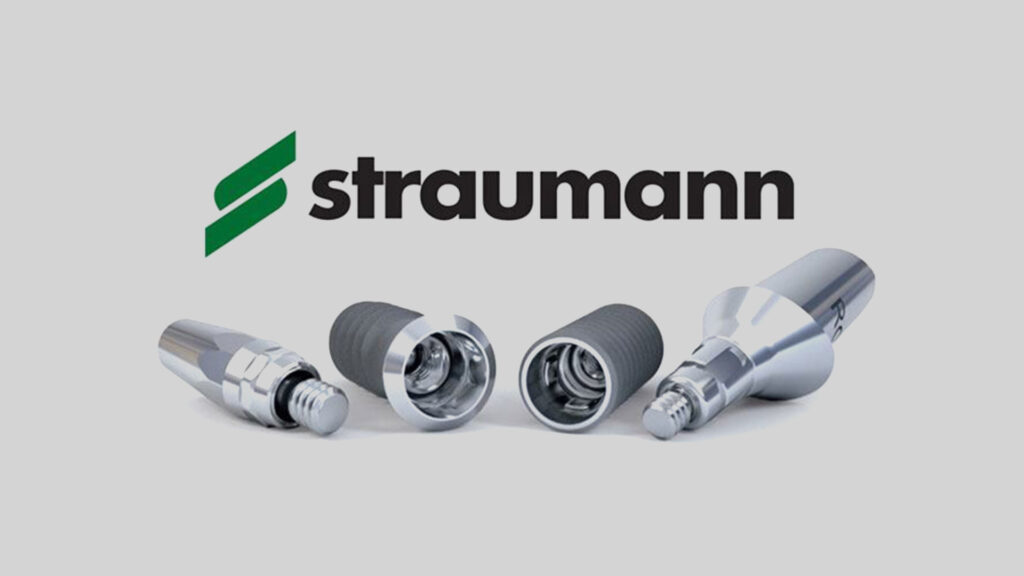
- Roxolid®: This is a high-performance alloy composed of ~85% titanium and ~15% zirconium. Studies demonstrate that Roxolid possesses higher tensile strength than pure titanium, allowing for the use of smaller diameter implants in narrow interdental spaces without compromising structural integrity. This is particularly relevant for patients seeking straumann dental implants in turkey who may otherwise require extensive bone augmentation.
Surface Topography: SLA® and SLActive®
The rate of osseointegration is heavily influenced by the implant’s surface roughness and chemical composition. Straumann utilizes Sand-blasted, Large-grit, Acid-etched (SLA) technology.
+1
- SLA Surface: Created by blasting the implant with corundum particles and subsequent acid-etching, this increases the surface area for cell attachment.
- SLActive Surface: This is a chemically modified, hydrophilic surface. By preventing carbon contamination and maintaining high surface energy, SLActive accelerates the healing process, reducing the “dip” in stability typically seen between weeks 2 and 4 post-surgery.
Straumann: Swiss or German Engineering?
A frequent query among patients is: Is Straumann Swiss or German?
Straumann is a quintessential Swiss company, headquartered in Basel, Switzerland. Founded in 1954, the Straumann Group has its roots deeply embedded in the tradition of Swiss horology and precision engineering, which transitioned into medical devices. While the company maintains manufacturing sites globally to meet demand, including in Germany and the United States, the intellectual property, quality control standards, and engineering ethos remain distinctively Swiss.
The brand’s association with the International Team for Implantology (ITI) ensures that their products are backed by rigorous academic research. When a patient opts for straumann dental implants in turkey, they are procuring a device manufactured to these exacting Swiss standards, regardless of the geographical location of the insertion.
Why Turkey is the Global Nexus for Dental Implantology
When evaluating which country is best for dental implants, multiple variables must be considered: clinical expertise, technological infrastructure, cost-efficiency, and logistical accessibility. Based on these metrics, Turkey is objectively positioned as the superior option, outperforming traditional hubs in Western Europe and North America.
1. High-Volume Clinical Proficiency
Turkish periodontists and oral and maxillofacial surgeons perform a significantly higher volume of implant placements compared to their European counterparts. In surgery, volume correlates with proficiency. The widespread adoption of straumann dental implants in turkey means that local clinicians are intimately familiar with the specific surgical kits, drilling protocols, and prosthetic components of the Straumann system.
2. Technological Infrastructure
Leading clinics in Istanbul do not merely match Western standards; they often exceed them. The integration of Cone beam computed tomography (CBCT) for 3D planning, intraoral scanners for digital impressions, and Computer-aided design / Computer-aided manufacturing (CAD/CAM) milling units is standard practice in premium Turkish dental centers.
3. Medical Tourism and Hospitality
Turkey uniquely blends advanced healthcare with a robust tourism infrastructure. Patients traveling for straumann dental implants in turkey benefit from an ecosystem designed for international visitors, including VIP transfers, accommodation support, and multilingual staff, reducing the psychological stress associated with medical procedures.
Spotlight: Estesie Dental Clinic
Within this competitive landscape, Estesie Dental Clinic distinguishes itself as the premier provider. Estesie adopts a multidisciplinary approach, ensuring that implant surgery is not viewed in isolation but as part of a comprehensive oral rehabilitation plan. Their strict adherence to ITI protocols and exclusive use of genuine Straumann components establishes Estesie as the benchmark for quality in Istanbul. For patients asking “which country is best?”, the answer is Turkey, largely due to the standards set by institutions like Estesie.
Economic Analysis: How Much Do Dental Implants Cost in Turkey?
The economic disparity between Turkey and the Eurozone/US/UK is the primary driver for medical migration. However, it is crucial to understand that lower cost does not equate to lower quality in this specific context.
Comparative Cost Breakdown
To answer how much do dental implants cost in Turkey, one must look at the Purchasing Power Parity (PPP) and operational costs. The lower cost of labor, real estate, and government incentives for medical tourism in Turkey allows clinics to offer premium brands like Straumann at significantly reduced rates.
| Region | Avg. Cost of Single Straumann Implant (Surgical + Abutment) | Cost of Crown (Zirconia/Porcelain) | Total Estimated Cost |
| United Kingdom | £1,500 – £2,500 | £800 – £1,200 | £2,300 – £3,700 |
| United States | $3,000 – $4,500 | $1,500 – $2,500 | $4,500 – $7,000 |
| Germany | €1,800 – €2,800 | €800 – €1,500 | €2,600 – €4,300 |
| Turkey (Estesie) | €750 – €1,000 | €200 – €400 | €950 – €1,400 |
How Much Are Straumann Implants in Turkey?
Specifically, the price for the implant fixture itself (the screw inserted into the bone) generally ranges from €600 to €900 depending on the specific line (e.g., Bone Level Tapered vs. Tissue Level).
How Much Is One Straumann Implant?
When asking how much is one Straumann implant as a complete package (fixture + abutment + crown), patients in Turkey should budget between €900 and €1,300. This represents a saving of approximately 60-70% compared to UK or US prices. It is vital for patients to confirm that the quote includes the abutment, which is the connector piece, as some clinics may quote for the fixture only.
Is Straumann the Best Implant System?
In the highly competitive market of implantology, the question “Is Straumann the best implant?” requires a nuanced, evidence-based answer. While “best” is subjective, Straumann objectively leads in several critical metrics:
- Long-Term Survival Rates: A systematic review of peer-reviewed literature indicates that Straumann implants have survival rates exceeding 97% over a 10-year period.
- Versatility: The Straumann portfolio includes Bone Level (BL), Tissue Level (TL), and the newer BLX systems. This versatility allows surgeons to address various clinical indications, from immediate load protocols in soft bone to aesthetic cases in the anterior maxilla.
+1 - Risk Mitigation: The reduced invasiveness offered by Roxolid alloys and the faster healing times of SLActive surfaces reduce the risk of peri-implantitis (inflammation around the implant) and early implant failure.
While competitors like Nobel Biocare and Astra Tech also offer high-quality products, Straumann’s consistent innovation in surface technology and material science often places it at the apex of clinical preference, particularly for complex cases handled by top-tier clinics offering straumann dental implants in turkey.
The Clinical Workflow of Straumann Dental Implants in Turkey
Understanding the treatment trajectory is essential for international patients. The process at a high-standard clinic like Estesie typically follows this structured pathway:
Phase 1: Diagnostics and Treatment Planning
The journey begins with a digital consultation. Patients send their panoramic X-rays (OPG) or CBCT scans. The maxillary and mandibular bone density is analyzed to determine if bone grafting or a sinus lift is required.
Phase 2: Surgical Intervention
Under local anesthesia or sedation, the Straumann implant is placed.
- Tissue Level Implants: These are designed so the collar of the implant sits above the bone level, simplifying the prosthetic phase and preserving biologic width.
- Bone Level Implants: These are placed sub-crestally (below the bone edge), ideal for aesthetic zones where the appearance of the gum line is critical.
Phase 3: Osseointegration Period
Standard titanium implants may require 3-6 months to integrate. However, straumann dental implants in turkey utilizing SLActive technology can reduce this window to 3-4 weeks in favorable conditions, significantly shortening the treatment timeline for medical tourists.
Phase 4: Prosthetic Restoration
Once integration is confirmed via stability testing (ISQ), the final crown or bridge is fabricated. In Turkey, the turnaround time for zirconia crowns is exceptionally fast due to on-site laboratories, often taking only 3-5 days.
Straumann BLX: The Solution for Immediate Loading
One of the most requested procedures in modern implantology is “Immediate Loading” or “Same-Day Teeth.” The Straumann BLX implant system is specifically engineered for this. Its fully tapered core design and aggressive thread geometry achieve high primary stability even in softer bone classifications (Type III and IV bone).
For patients traveling for straumann dental implants in turkey, the BLX system is revolutionary. It often permits the extraction of a failing tooth and the immediate placement of the implant and a provisional crown in a single visit, maximizing the efficiency of the travel window.
Navigating the Market: Avoiding Counterfeits
With the popularity of straumann dental implants in turkey, a shadow market of non-authentic components exists. It is imperative that patients verify authenticity.
- The Implant Passport: Every genuine Straumann implant comes with a tracking number and a patient passport.
- Warranty: Straumann offers a lifetime guarantee on the implant fixture.
- Clinic Certification: Reputable clinics like Estesie will openly display their authorized provider status and provide the original packaging stickers for patient records.
Comparative Analysis: Turkey vs. Emerging Competitors
While Hungary and Poland have historically been dental tourism destinations, Turkey has surpassed them in the last decade.
- Versus Hungary: While Hungary offers competitive prices, Turkey generally offers superior hospitality logistics and a wider availability of direct flights globally via Istanbul’s massive aviation hub.
- Versus Mexico: For European and Middle Eastern patients, Turkey is geographically more accessible. Furthermore, the regulation of private hospitals in Turkey by the Ministry of Health creates a rigorous standard for sterilization and patient safety that rivals EU standards.
Conclusion: The Convergence of Quality and Value
The decision to undergo restorative surgery is a significant medical and financial commitment. The data unequivocally supports the proposition that straumann dental implants in turkey represents a global apex in value. By combining the biomechanical superiority of Swiss-engineered Roxolid and SLActive technologies with the high-volume surgical expertise of Turkish clinicians, patients achieve outcomes that are statistically indistinguishable from, or superior to, those in their home countries—at a fraction of the cost.
Specifically, for those inquiring which country is best for dental implants, the synthesis of advanced infrastructure, economic advantage, and tourism appeal points definitively to Turkey. Within this jurisdiction, Estesie Dental Clinic exemplifies the best practices of the industry, providing a secure, high-quality environment for international patients to restore both their smile and their oral function.
Ultimately, the choice of a Straumann implant in Turkey is not merely a cost-saving measure; it is a strategic healthcare decision that leverages global economic disparities to access top-tier medical technology.
The success of straumann dental implants in turkey is not merely a function of surface chemistry (SLA/SLActive) but is intrinsically linked to the engineering of the implant body itself. Straumann offers distinct macro-designs tailored to specific bone densities and anatomical locations. Understanding these distinctions is crucial for patients evaluating the technical competence of their provider.
The Tissue Level (TL) Standard vs. Bone Level (BL) Esthetics
The dichotomy between “Tissue Level” and “Bone Level” implants represents a fundamental strategic choice in oral surgery.
- Tissue Level (TL) Implants:
Historically the backbone of the Straumann system, TL implants feature a polished transmucosal collar that extends through the gum tissue.
- Scientific Rationale: By moving the “micro-gap” (the interface between the implant and the abutment) away from the alveolar bone crest, TL implants significantly reduce the risk of marginal bone resorption caused by bacterial colonization.
- Clinical Indication: They are the gold standard for posterior teeth (molars) where functional load is high, and strict esthetics are secondary to hygiene and longevity.
- Bone Level Tapered (BLT) Implants:
For the anterior maxilla (the “smile zone”), the metal collar of a TL implant would be esthetically unacceptable.
- Design Physics: The BLT design allows for sub-crestal placement. Its tapered apex mimics the natural anatomy of a tooth root, providing superior primary stability in fresh extraction sockets.
- Relevance to Medical Tourism: Many patients traveling for straumann dental implants in turkey seek anterior aesthetic rehabilitation. The BLT system allows Turkish clinicians to preserve the delicate interdental papilla (gum triangles) essential for a natural appearance.
The BLX System: A Paradigm Shift in Anchorage
The recently introduced BLX system utilizes a “fully tapered” design with aggressive threads that cut into, rather than push against, the bone.
- Osteotomy Efficiency: This design condenses the bone during insertion, increasing bone-to-implant contact (BIC) immediately upon placement.
- Torque Values: High insertion torque (>35 Ncm) is achievable even in soft bone (Type D3/D4), which is a prerequisite for immediate loading protocols often requested by international patients with limited timeframes.
Computer-Guided Surgery and Digital Workflows in Turkey
The integration of digital dentistry has transformed the surgical protocol from an analogue, free-hand art to a verifiable, digitally reproducible science. Top-tier clinics in Turkey, such as Estesie, leverage the full Straumann® CARES® digital ecosystem.
Stereolithography and Surgical Guides
The process begins with the superimposition of a CBCT scan (hard tissue data) and an intraoral optical scan (soft tissue data).
- Virtual Planning: The surgeon positions the implant virtually within the 3D bone volume, accounting for critical structures like the inferior alveolar nerve and the maxillary sinus floor.
- 3D Printing: A surgical guide is fabricated via stereolithography. This guide fits over the patient’s existing teeth or gums and contains metal sleeves that strictly control the drill’s angle, depth, and position.
- Flapless Surgery: In select cases, this technology allows for “flapless” surgery, where the implant is inserted without cutting and reflecting the gum tissue. This results in preserved vascular supply to the bone and drastically reduced post-operative swelling—a critical benefit for patients undergoing straumann dental implants in turkey who wish to enjoy their time in Istanbul.
Systemic Health and Compromised Hosts
A critical differentiator of the Straumann system is its FDA-cleared indications for compromised health conditions. While generic implant systems often contraindicate patients with systemic diseases, Straumann’s specific material properties expand the eligibility criteria.
Diabetes Mellitus and Angiogenesis
Patients with uncontrolled diabetes mellitus suffer from impaired microvasculature and delayed wound healing.
- The SLActive Advantage: Pre-clinical histomorphometric studies indicate that the hydrophilic SLActive surface promotes faster angiogenesis (formation of new blood vessels) and higher removal torque values in diabetic models compared to hydrophobic surfaces. This makes Straumann the safer choice for diabetic patients seeking care abroad.
Radiotherapy Patients
Patients who have undergone head and neck radiation therapy face a high risk of osteoradionecrosis (bone death). The Straumann Roxolid® implant has demonstrated superior osseointegration capabilities in irradiated bone due to its enhanced biocompatibility and reduced inflammatory response.
Full-Arch Rehabilitation: The Straumann® Pro Arch Protocol
For patients suffering from total edentulism (complete tooth loss), replacing individual teeth is biomechanically and financially inefficient. The Straumann® Pro Arch solution is the clinical equivalent of the “All-on-4″ or “All-on-6” concept but optimized with Swiss components.
Cross-Arch Stabilization Mechanics
This protocol involves placing four to six implants in strategic positions:
- Axial Implants: Two implants are placed vertically in the anterior region.
- Tilted Implants: Two posterior implants are tilted up to 45 degrees.
- Anatomical Avoidance: This tilting avoids the need for complex sinus lift surgeries or nerve transposition.
- Cantilever Reduction: It extends the prosthetic support further back in the mouth, increasing chewing efficiency.
Immediate Function vs. Delayed Loading
Using the high-stability BLX implants, Turkish surgeons can often attach a fixed provisional bridge on the day of surgery. This “Immediate Function” protocol is a primary driver for patients choosing straumann dental implants in turkey, as it eliminates the need to wear removable dentures during the healing phase.
The Prosthetic Connection: CrossFit® and Conical Seals
The long-term survival of an implant is often determined by the connection between the implant and the tooth (abutment). Mechanical failure, such as screw loosening, is a common complication in budget systems.
The Morse Taper Principle
Straumann utilizes a connection design known as the conical connection or “CrossFit®” (for BL/BLT implants) and the synOcta® (for TL implants).
- Cold Welding Effect: The internal conical connection creates a friction-fit seal that mimics a “cold weld.” This eliminates micro-movement between the components during chewing cycles.
- Bacterial Seal: By creating a hermetic seal, the connection prevents the “pumping effect,” where bacteria are pumped in and out of the implant hollow with every bite. This technical feature is critical for preventing peri-implantitis, a destructive inflammatory process affecting the soft and hard tissue around the implant.
Post-Operative Maintenance and Global Warranty Logistics
A vital consideration for the international patient is the continuity of care.
- The International Team for Implantology (ITI) Network: Because Straumann is the world’s largest implant manufacturer, a patient who receives straumann dental implants in turkey at Estesie Dental Clinic can have that implant serviced by any ITI-affiliated dentist in London, New York, or Berlin.
- Component Availability: Unlike “clone” implant brands that may go out of business, leaving patients with unserviceable hardware, Straumann parts are universally standardized.
Summary of Clinical Superiority
The synthesis of Roxolid® material strength, SLActive® surface acceleration, and the precision of the CrossFit® connection creates a biological environment where the risk of failure is minimized. When this engineering is applied by the experienced hands of Turkish surgeons within a fully digital workflow, the result is a medical service that is not only cost-effective but clinically superior to standard-of-care treatments in many Western jurisdictions.